

Are 40mm face grids resistant to low - temperature cracking?
Dec 01, 2025
Leave a message
Hey there! I'm a supplier of 40mm face grids, and today I want to dig into a question that often pops up in the construction and interior design world: Are 40mm face grids resistant to low - temperature cracking?
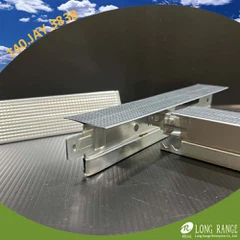
First off, let's talk a bit about what 40mm face grids are. These grids are a key component in suspended ceiling systems. They're used to create a framework that holds up ceiling tiles, panels, or other ceiling materials. The 40mm width of the face gives a certain aesthetic look and also provides stability to the overall ceiling structure. You can check out one of our popular products, the Suspended Ceiling Grid T40 Wide Face CT Jay Ends, which showcases the features of a 40mm face grid.
Now, let's get to the main question. Low - temperature cracking is a big concern, especially in regions with cold climates. When materials are exposed to low temperatures, they tend to contract. If the material isn't flexible or strong enough, this contraction can lead to cracks.
The resistance of 40mm face grids to low - temperature cracking depends on several factors. One of the most important factors is the material they're made of. Most 40mm face grids are made from metals like galvanized steel or aluminum.
Galvanized steel grids are known for their durability. The zinc coating on the steel provides a protective layer that helps prevent corrosion. In terms of low - temperature resistance, steel has a relatively high modulus of elasticity, which means it can withstand a certain amount of stress without deforming or cracking. However, extreme cold can still pose a challenge. If the temperature drops too low, the steel can become more brittle, increasing the risk of cracking.
On the other hand, aluminum grids are lighter and more corrosion - resistant than steel. Aluminum has a lower modulus of elasticity compared to steel, which means it's more flexible. This flexibility can be an advantage in low - temperature situations because it allows the grid to expand and contract with temperature changes without cracking as easily. But aluminum also has its limitations. If the alloy used in the aluminum grid isn't of high quality, it may not perform well in extremely cold conditions.
Another factor that affects low - temperature cracking resistance is the manufacturing process. A well - made 40mm face grid will have a consistent thickness and a smooth surface finish. Any imperfections in the grid, such as uneven thickness or rough edges, can create stress concentration points. These points are more likely to crack when the grid is exposed to low temperatures.
The installation of the 40mm face grid also plays a role. If the grid isn't installed correctly, it can be under additional stress. For example, if the grid is over - tightened during installation, it can cause internal stresses that make it more prone to cracking in cold weather. Proper installation techniques, including leaving enough room for expansion and contraction, are crucial to ensuring the grid's performance in low - temperature environments.
To test the low - temperature cracking resistance of 40mm face grids, manufacturers often conduct laboratory tests. These tests involve subjecting the grids to a range of low temperatures and monitoring for any signs of cracking. The results of these tests can give us a good idea of how well the grids will perform in real - world conditions.
In addition to laboratory tests, real - world experiences also provide valuable insights. We've received feedback from customers in cold regions. Some have reported that our 40mm face grids have held up well over the years, even during harsh winters. Others have had some minor issues, but in most cases, these issues were related to improper installation or the use of the grid in an environment that was beyond its design specifications.
So, are 40mm face grids resistant to low - temperature cracking? The answer is that it depends. If you choose high - quality grids made from suitable materials and have them installed correctly, they can offer good resistance to low - temperature cracking. But if you cut corners on material quality or installation, you're more likely to run into problems.
If you're in an area with cold winters and are considering using 40mm face grids for your suspended ceiling project, here are some tips. First, choose a grid made from a material that's known for its low - temperature performance. If you're unsure, ask your supplier for recommendations. Second, make sure the grid is installed by a professional who understands the importance of proper installation techniques. And finally, consider the overall design of your ceiling system. You may need to make some adjustments to account for temperature changes.
As a supplier of 40mm face grids, we're committed to providing high - quality products that meet the needs of our customers. We understand the challenges that come with using building materials in different environments, especially in cold climates. If you have any questions about our 40mm face grids or need advice on low - temperature applications, don't hesitate to reach out. We're here to help you make the best choice for your project. Whether you're a contractor, an architect, or a DIY enthusiast, we can provide you with the information and support you need to ensure a successful installation.


In conclusion, while 40mm face grids can be resistant to low - temperature cracking, it's important to take all the necessary precautions. By choosing the right material, ensuring proper manufacturing and installation, you can minimize the risk of cracking and enjoy a long - lasting suspended ceiling system. If you're interested in our 40mm face grids or want to discuss your project in more detail, feel free to contact us for a procurement discussion. We're looking forward to working with you!
References
- "Handbook of Construction Materials"
- "Metal Alloys and Their Applications in Building Construction"
- Industry reports on suspended ceiling systems
Send Inquiry