

Can Gypsum Board 8mm Round Hole be used in a basement?
Dec 23, 2025
Leave a message
In the realm of construction and interior design, the choice of building materials plays a pivotal role in determining the functionality, aesthetics, and durability of a space. One such material that has gained significant popularity in recent years is the Gypsum Board 8mm Round Hole. As a supplier of this innovative product, I often receive inquiries about its suitability for various applications, particularly in basements. In this blog post, I will delve into the technical aspects, benefits, and potential challenges of using Gypsum Board 8mm Round Hole in a basement setting.
Technical Specifications of Gypsum Board 8mm Round Hole
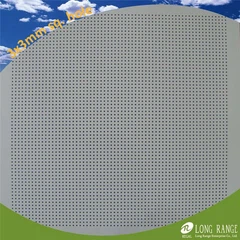
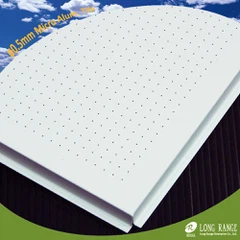
Before discussing its application in basements, it is essential to understand the key features of Gypsum Board 8mm Round Hole. This type of gypsum board is characterized by its evenly spaced 8mm round holes, which are precisely drilled through the board's surface. The holes are not merely decorative; they serve several functional purposes, including sound absorption, ventilation, and aesthetic enhancement.

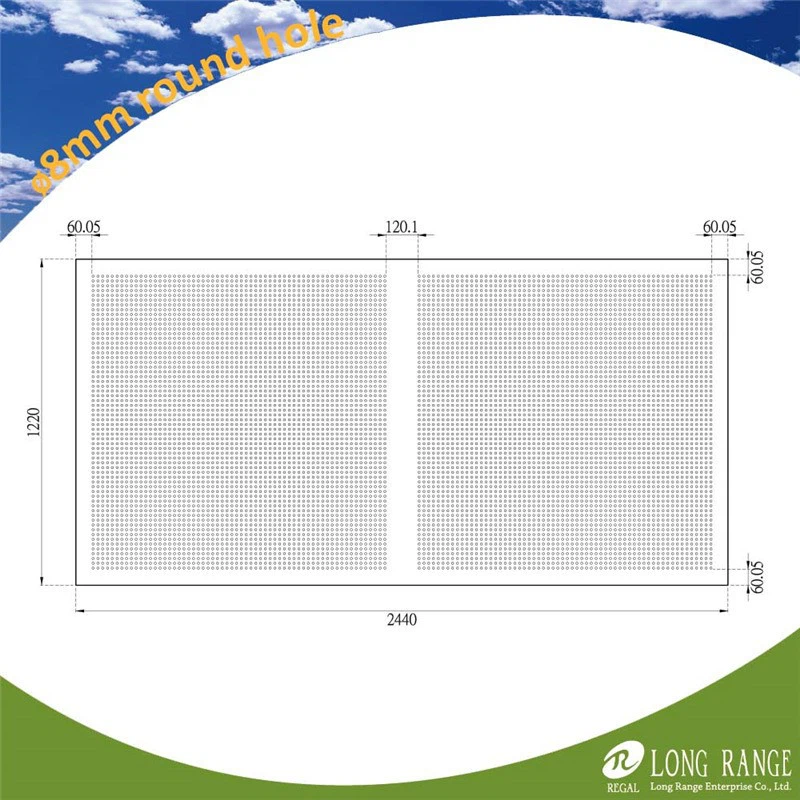
The gypsum board itself is made from high - quality gypsum, a soft sulfate mineral composed of calcium sulfate dihydrate. It is sandwiched between two layers of paper, which provide additional strength and durability. The standard thickness of the board can vary, but it is typically around 9.5mm to 12.5mm, with the 8mm round holes adding a unique dimension to its design.
The perforation pattern of the 8mm round holes is carefully engineered to optimize its performance. The spacing between the holes is calculated to achieve the desired level of sound absorption and ventilation. This perforation also allows for the passage of air and moisture, which can be beneficial in certain environments, such as basements.
Benefits of Using Gypsum Board 8mm Round Hole in Basements
Sound Absorption
Basements are often used as entertainment areas, home offices, or guest rooms. In these spaces, sound control is crucial to ensure a comfortable and quiet environment. The 8mm round holes in the gypsum board act as a sound - absorbing medium. When sound waves hit the board, they enter the holes and are dissipated through a process called absorption. This helps to reduce echo and reverberation in the room, creating a more pleasant acoustic experience.
For example, if you have a basement home theater, the Gypsum Board 8mm Round Hole can significantly improve the sound quality by minimizing background noise and enhancing the clarity of audio playback. Similarly, in a basement office, it can reduce distractions from outside noise and create a more focused work environment.
Ventilation
Basements are prone to high humidity levels due to their underground location. Excess humidity can lead to a variety of problems, including mold growth, musty odors, and damage to building materials. The 8mm round holes in the gypsum board allow for air circulation, which helps to regulate the humidity levels in the basement.
Air can pass through the holes, carrying moisture away from the walls and preventing condensation. This natural ventilation system can be particularly effective when combined with other ventilation methods, such as exhaust fans or dehumidifiers. By maintaining proper ventilation, the Gypsum Board 8mm Round Hole can help to keep the basement dry and healthy.
Aesthetic Appeal
In addition to its functional benefits, the Gypsum Board 8mm Round Hole also offers unique aesthetic possibilities. The perforated pattern adds a modern and contemporary look to the basement walls, making it a popular choice for designers and homeowners who want to create a stylish and unique space.
The holes can be used to create interesting visual effects, such as light patterns or shadow play. They can also be painted or finished in different colors to match the overall design scheme of the basement. Whether you are going for a minimalist, industrial, or eclectic look, the Gypsum Board 8mm Round Hole can be a versatile and eye - catching addition to your basement.
Potential Challenges and Considerations
Moisture Resistance
While the ventilation provided by the 8mm round holes can help to reduce humidity, basements are still prone to water intrusion. If water seeps through the walls or floors, it can damage the gypsum board. Therefore, it is crucial to ensure proper waterproofing before installing the Gypsum Board 8mm Round Hole.
This may involve applying a waterproof membrane to the basement walls, installing a sump pump to remove excess water, or improving the drainage around the foundation. Additionally, it is recommended to choose a moisture - resistant gypsum board that is designed to withstand high humidity and occasional water exposure.
Fire Resistance
Another important consideration in basement construction is fire safety. Gypsum board is known for its fire - resistant properties, but the perforations in the 8mm round hole board may affect its fire rating. It is essential to check the fire rating of the specific Gypsum Board 8mm Round Hole product you are considering and ensure that it meets the local building codes and regulations.
In some cases, additional fire - protection measures may be required, such as installing a fire - rated insulation behind the gypsum board or using a fire - resistant paint on the surface.
Installation Guidelines
Proper installation is key to ensuring the performance and longevity of the Gypsum Board 8mm Round Hole in a basement. Here are some general installation guidelines:
- Surface Preparation: The basement walls should be clean, dry, and smooth before installation. Any cracks or uneven surfaces should be repaired to ensure a proper fit.
- Framing: Install a sturdy wood or metal framing system to support the gypsum board. The framing should be spaced according to the manufacturer's recommendations.
- Cutting: Use a sharp utility knife or a drywall saw to cut the Gypsum Board 8mm Round Hole to the desired size. Be careful not to damage the holes during cutting.
- Fastening: Secure the gypsum board to the framing using drywall screws. The screws should be spaced evenly and driven flush with the surface of the board.
- Finishing: After installation, the joints between the gypsum boards should be taped and mudded to create a smooth and seamless finish. You can then paint or apply other finishes to the surface as desired.
Conclusion and Call to Action
In conclusion, the Gypsum Board 8mm Round Hole can be a viable option for basements, offering a range of benefits such as sound absorption, ventilation, and aesthetic appeal. However, it is important to address potential challenges such as moisture resistance and fire safety through proper waterproofing and adherence to building codes.
If you are considering using Gypsum Board 8mm Round Hole in your basement project, I encourage you to reach out to me. As a supplier, I have the expertise and the high - quality products to meet your needs. Whether you have questions about the product specifications, installation guidelines, or pricing, I am here to assist you. Contact me to start a discussion about how this innovative gypsum board can transform your basement into a functional and beautiful space.
References
- Building Materials Handbook: A comprehensive guide to the properties and applications of various construction materials.
- Acoustics and Ventilation in Basement Design: Research papers on the importance of sound control and air circulation in basement environments.
- Local Building Codes and Regulations: Mandatory requirements for fire safety and moisture resistance in basement construction.
Send Inquiry