

Can I use glue to install micro aluminium ceiling tiles?
Dec 29, 2025
Leave a message
Hey there! As a provider of micro aluminium ceiling tiles, I often get asked some interesting questions. One question that pops up quite a bit is, "Can I use glue to install micro aluminium ceiling tiles?" Today, I'm gonna dig deep into this topic and share with you all the ins and outs.
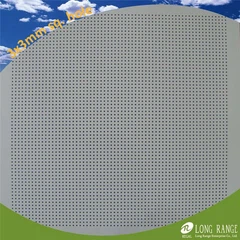
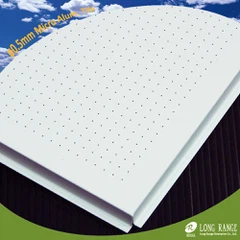
First off, let's talk a bit about these micro aluminium ceiling tiles. They're super popular these days, and it's easy to see why. They're lightweight, durable, and can add a really modern and sleek look to any space. Whether it's a commercial building like a restaurant or an office, or a residential area like your living room or kitchen, these Micro Perforated Aluminium Ceiling Tile are a great choice for ceiling decoration.
So, back to the glue question. Using glue for ceiling tile installation is not a new idea. A lot of people think it's a quick and easy way to get the job done. And in some cases, they're right. Gluing can be a good option for certain types of ceiling tiles and installation conditions. But when it comes to micro aluminium ceiling tiles, things are a bit more complicated.


Let's start with the pros of using glue for installation. The biggest advantage is that it can provide a strong and secure bond. If applied correctly, the glue can hold the tiles firmly in place, preventing them from shifting or falling down. This is especially important for ceiling installations where safety is a top priority. Another pro is that gluing can be a relatively clean and straightforward process. You don't need a lot of tools, and you can usually get the job done without making too much of a mess.
However, there are also some significant cons to using glue for micro aluminium ceiling tile installation. One of the main issues is that the aluminium material is quite smooth and non - porous. This means that it can be difficult for the glue to adhere properly. If the glue doesn't bond well, the tiles may start to come loose over time, which can be not only unsightly but also a safety hazard.
Another problem is that the expansion and contraction of aluminium due to temperature and humidity changes can cause stress on the glued joints. Aluminium has a different coefficient of expansion compared to many traditional building materials. When the temperature fluctuates, the aluminium tiles will expand and contract at a different rate than the glue and the ceiling surface. This can lead to the glue breaking down and the tiles detaching.
In addition, some types of glue can emit harmful chemicals during the drying process. These chemicals can be a problem, especially in indoor spaces where people are constantly breathing in the air. If you're installing the ceiling tiles in a home or an office, you'll definitely want to avoid any potential health risks.
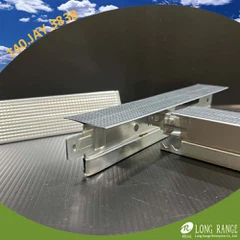
So, what are the alternatives to using glue? Well, the most common and recommended method for installing micro aluminium ceiling tiles is using a suspension system. A suspension system consists of a grid framework that is attached to the ceiling structure. The tiles are then simply dropped into the grid cells. This method has several advantages.
Firstly, it allows for easy installation and removal. If you ever need to access the space above the ceiling for maintenance or repairs, you can simply lift the tiles out of the grid without causing any damage. Secondly, the suspension system can accommodate the expansion and contraction of the aluminium tiles, reducing the stress on the tiles and the ceiling structure.
Another alternative is using mechanical fasteners like clips or screws. These can provide a secure attachment for the tiles, and like the suspension system, they can also handle the movement of the aluminium due to temperature changes.
Now, I know some of you might be thinking, "But I really want to use glue. Is there any way I can make it work?" Well, if you're determined to use glue, there are a few things you can do to increase your chances of success.
First, make sure you choose the right type of glue. Look for a glue that is specifically designed for bonding to aluminium and can withstand temperature and humidity changes. You may need to do some research or consult with a professional to find the best product.
Second, prepare the surface of the tiles and the ceiling properly. Clean the surfaces thoroughly to remove any dirt, grease, or dust. You can use a mild detergent and water, followed by a dry cloth. Some glues may also require you to roughen the surface of the aluminium slightly to improve adhesion.
Finally, follow the manufacturer's instructions carefully when applying the glue. Apply the right amount of glue, and make sure to give it enough time to dry and cure before adding any stress to the tiles.
In conclusion, while it's technically possible to use glue to install micro aluminium ceiling tiles, it's not the best option in most cases. The potential problems with adhesion, temperature and humidity expansion, and chemical emissions make alternative methods like suspension systems or mechanical fasteners a much better choice.
If you're in the market for micro aluminium ceiling tiles and want to discuss the best installation methods for your project, don't hesitate to reach out. We're here to help you make the right decision and ensure that your ceiling installation is a success. Whether you're a contractor working on a big - scale commercial project or a homeowner looking to upgrade your living space, we've got the products and expertise to meet your needs.
References:
- General knowledge on building materials and installation methods
- Manufacturer's guidelines for micro aluminium ceiling tiles
Send Inquiry