

Do micro aluminium ceiling tiles attract dust easily?
Jul 01, 2025
Leave a message
As a supplier of micro aluminium ceiling tiles, I often encounter questions from customers about the practical performance of these products. One of the most frequently asked questions is, "Do micro aluminium ceiling tiles attract dust easily?" In this blog post, I will delve into this topic from a scientific perspective, exploring the factors that influence dust attraction and how our micro aluminium ceiling tiles fare in this regard.
The Material Properties of Micro Aluminium Ceiling Tiles
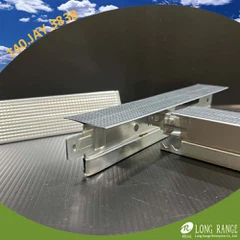
Aluminium is a metal known for its smooth surface and non - porous nature. Micro aluminium ceiling tiles are typically made from high - quality aluminium alloys, which have a dense molecular structure. This smooth and non - porous surface is the first line of defense against dust attraction. Unlike porous materials such as some types of wood or certain ceiling tiles made from fibrous materials, micro aluminium ceiling tiles do not have tiny crevices or pores where dust can easily lodge.
When dust particles come into contact with the surface of a micro aluminium ceiling tile, they are more likely to simply rest on the surface rather than being absorbed. This is due to the lack of microscopic spaces for the dust to penetrate. Moreover, the surface of aluminium can be treated with various finishes, such as anodizing or powder coating, which further enhance its smoothness and resistance to dust adhesion.
The Role of Micro - perforations
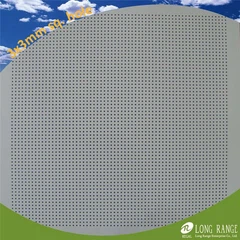
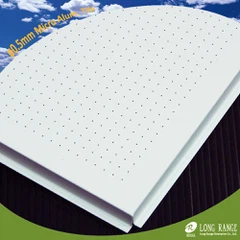
Many of our micro aluminium ceiling tiles feature micro - perforations, which not only add an aesthetic appeal but also serve functional purposes. The Micro Perforated Aluminium Ceiling Tile is a popular product in our range. These perforations are extremely small, usually in the range of a few millimeters or less.


While one might think that the perforations could potentially trap dust, in reality, they are designed in a way that minimizes this risk. The size and pattern of the perforations are carefully engineered. The air circulation through the perforations can actually help to prevent dust from settling. As air moves through the holes, it creates a gentle airflow that can dislodge any dust particles that may have landed on the surface. Additionally, the edges of the perforations are smooth, reducing the likelihood of dust getting caught.
Environmental Factors Affecting Dust Attraction
The environment in which the micro aluminium ceiling tiles are installed plays a significant role in dust attraction. In a clean and well - ventilated space, the amount of dust in the air is relatively low. In such an environment, our micro aluminium ceiling tiles are less likely to attract a large amount of dust.
On the other hand, in industrial settings or areas with high levels of particulate matter in the air, such as construction sites or factories, the tiles may accumulate more dust. However, even in these challenging environments, the smooth surface of the aluminium and the design of the micro - perforations help to keep the dust accumulation to a minimum. Regular cleaning can easily remove any dust that does collect on the tiles.
Electrostatic Charge and Dust Attraction
Some materials can develop an electrostatic charge, which can attract dust particles. Aluminium, however, is a good conductor of electricity. This means that any electrostatic charge that might build up on the surface of the micro aluminium ceiling tile is quickly dissipated. As a result, the tiles are less likely to attract dust due to electrostatic forces compared to some insulating materials.
Cleaning and Maintenance
To ensure that our micro aluminium ceiling tiles remain dust - free and looking their best, proper cleaning and maintenance are essential. Cleaning the tiles is a relatively simple process. A mild detergent and a soft cloth or sponge can be used to wipe down the surface. For micro - perforated tiles, a gentle stream of air can be used to blow out any dust that may have accumulated in the perforations.
Regular cleaning not only keeps the tiles looking clean but also helps to maintain their performance. By removing dust regularly, we can prevent any long - term build - up that could potentially affect the appearance and functionality of the tiles.
Comparison with Other Ceiling Materials
When compared to other common ceiling materials such as plasterboard or PVC ceiling tiles, micro aluminium ceiling tiles have a distinct advantage in terms of dust attraction. Plasterboard has a porous surface that can easily absorb dust, and over time, it can become discolored and difficult to clean. PVC ceiling tiles, while relatively smooth, can develop static charges more easily than aluminium, leading to increased dust attraction.
In contrast, the smooth surface, conductive properties, and design of our micro aluminium ceiling tiles make them a superior choice for environments where dust control is important.
Conclusion
In conclusion, micro aluminium ceiling tiles do not attract dust easily. Their smooth, non - porous surface, the design of the micro - perforations, and the conductive properties of aluminium all contribute to minimizing dust accumulation. While environmental factors can influence the amount of dust that collects on the tiles, regular cleaning can keep them looking clean and new.
If you are considering using micro aluminium ceiling tiles for your project, whether it's a commercial space, a residential area, or an industrial facility, I encourage you to contact us for more information. We are happy to discuss your specific requirements and provide you with detailed product information. Our team of experts can also offer advice on installation, maintenance, and cleaning to ensure that you get the most out of our micro aluminium ceiling tiles.
References
- "Aluminium: Properties and Applications" - Metal Handbook, 2022 Edition
- "Design and Performance of Micro - perforated Panels" - Journal of Building Acoustics, Vol. 15, Issue 2, 2021
- "Surface Finish and Dust Adhesion on Building Materials" - International Journal of Construction Materials, Vol. 8, Issue 3, 2020
Send Inquiry