

How does Suspended Ceiling Grid T24 MT33h CT25h compare with other ceiling grid systems?
Nov 25, 2025
Leave a message
When it comes to ceiling grid systems, there are numerous options available in the market. As a supplier of Suspended Ceiling Grid T24 MT33h CT25h, I have had the opportunity to closely observe and compare this particular system with other popular ceiling grid systems. In this blog post, I will delve into the features, advantages, and differences of the Suspended Ceiling Grid T24 MT33h CT25h in comparison to other ceiling grid systems.
Design and Structure
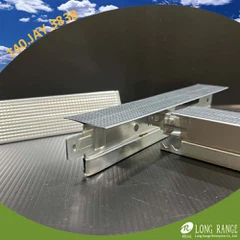
The Suspended Ceiling Grid T24 MT33h CT25h features a well - thought - out design. The T24 refers to the width of the main tee, which is 24mm. This provides a relatively wide and stable base for supporting ceiling panels. The MT33h and CT25h denote the height of the main tee and cross tee respectively. The height of the main tee at 33mm and the cross tee at 25mm offers a good balance between strength and aesthetic appeal.
In contrast, some other ceiling grid systems may have different tee widths and heights. For example, the Suspended Ceiling Grid T24 MT48h CT38h Jay Ends has a taller main tee (48mm) and cross tee (38mm). This can make the grid more suitable for heavier ceiling panels or in situations where extra structural support is required. However, the taller profile may also be more visible and could potentially affect the overall visual simplicity of the ceiling.
The Suspended Ceiling Grid UT24 MT38h CT38h Jay Ends and Suspended Ceiling Grid T24 MT38h CT38h Jay Ends also have their own unique design characteristics. The UT24 in the former may indicate a different type of profile or finish, which could affect its installation process and compatibility with certain ceiling panels. The similar tee heights in both these systems (38mm for main and cross tees) suggest a focus on providing robust support, but again, this may come at the cost of a more prominent grid appearance.
Installation Process
One of the key advantages of the Suspended Ceiling Grid T24 MT33h CT25h is its relatively straightforward installation process. The standard 24mm width of the main tee allows for easy alignment and connection with cross tees. The height dimensions are also optimized to ensure that the grid can be quickly assembled on - site. This can save time and labor costs during the installation of the ceiling system.
Some other ceiling grid systems, especially those with non - standard dimensions or complex profiles, may pose challenges during installation. For instance, the taller tees in the Suspended Ceiling Grid T24 MT48h CT38h Jay Ends may require more precise measurements and a more careful installation process to ensure proper alignment and stability. Additionally, unique profiles like those in the Suspended Ceiling Grid UT24 MT38h CT38h Jay Ends may need specialized tools or techniques for installation, which can increase the overall installation time and cost.


Load - Bearing Capacity
The load - bearing capacity of a ceiling grid system is crucial, as it determines the types of ceiling panels that can be used. The Suspended Ceiling Grid T24 MT33h CT25h has a sufficient load - bearing capacity for most standard ceiling panels, such as acoustic tiles, mineral fiber panels, and lightweight metal panels. The design of the tee profiles and the connection points between the main and cross tees are engineered to distribute the weight evenly across the grid.
However, if you are planning to use heavier ceiling panels, such as thick glass panels or large - format metal sheets, systems like the Suspended Ceiling Grid T24 MT48h CT38h Jay Ends may be a better choice. The taller and more robust tees in this system can handle greater loads without compromising the structural integrity of the ceiling.
Aesthetic Appeal
In terms of aesthetic appeal, the Suspended Ceiling Grid T24 MT33h CT25h offers a clean and modern look. The 24mm wide main tee provides a subtle yet defined grid pattern that can enhance the overall appearance of the ceiling. The relatively lower tee heights (33mm for main and 25mm for cross tees) make the grid less obtrusive, allowing the ceiling panels to be the main visual focus.
On the other hand, ceiling grid systems with taller tees, like the Suspended Ceiling Grid T24 MT48h CT38h Jay Ends, create a more prominent grid pattern. This can be used to create a more industrial or architectural look, which may be suitable for certain design concepts, such as in modern offices or commercial spaces with an edgy aesthetic.
Cost - Effectiveness
Cost is always an important factor when choosing a ceiling grid system. The Suspended Ceiling Grid T24 MT33h CT25h is generally more cost - effective compared to some of its counterparts. Its standard dimensions and simple design mean that it can be manufactured more efficiently, resulting in lower production costs. Additionally, the ease of installation reduces labor costs, making it an economical choice for many projects.
Systems like the Suspended Ceiling Grid T24 MT48h CT38h Jay Ends may be more expensive due to the increased material usage for the taller tees and potentially more complex manufacturing processes. The specialized profiles in the Suspended Ceiling Grid UT24 MT38h CT38h Jay Ends may also contribute to a higher cost.
Compatibility with Ceiling Panels
The Suspended Ceiling Grid T24 MT33h CT25h is highly compatible with a wide range of ceiling panels. The 24mm main tee width is a standard size that is recognized by many panel manufacturers. This means that you have a large selection of ceiling panels to choose from, including different colors, textures, and materials.
Some other ceiling grid systems may have more limited compatibility. For example, a system with a non - standard tee width or profile may require custom - made ceiling panels, which can be more expensive and time - consuming to source.
Durability
Durability is an important consideration for any ceiling grid system. The Suspended Ceiling Grid T24 MT33h CT25h is typically made from high - quality materials, such as galvanized steel or aluminum. These materials are resistant to corrosion, rust, and deformation, ensuring a long service life.
However, in harsh environments or areas with high humidity, some other ceiling grid systems may offer better durability. For example, certain aluminum - based systems may have enhanced corrosion - resistant coatings that make them more suitable for use in bathrooms, kitchens, or industrial settings.
Conclusion
In conclusion, the Suspended Ceiling Grid T24 MT33h CT25h has its own set of advantages, including ease of installation, cost - effectiveness, good aesthetic appeal, and wide compatibility with ceiling panels. It is a great choice for most standard ceiling applications.
However, other ceiling grid systems like the Suspended Ceiling Grid T24 MT48h CT38h Jay Ends, Suspended Ceiling Grid UT24 MT38h CT38h Jay Ends, and Suspended Ceiling Grid T24 MT38h CT38h Jay Ends have their own unique features that make them suitable for specific applications, such as heavy - load requirements or specialized design concepts.
If you are in the process of choosing a ceiling grid system for your project, I encourage you to carefully consider your specific needs, including load - bearing requirements, aesthetic preferences, budget, and installation conditions. If you have any questions or would like to discuss your project in more detail, feel free to reach out for a procurement discussion. I am here to help you make the best choice for your ceiling grid needs.
References
- Ceiling Grid System Design Manuals from various manufacturers
- Industry reports on ceiling grid systems and their performance
- Case studies of different ceiling grid installations in commercial and residential buildings
Send Inquiry