

How to improve the sound - absorbing effect of micro perforated aluminium ceiling tiles?
Jan 13, 2026
Leave a message
As a supplier of Micro Perforated Aluminium Ceiling Tiles, I've witnessed firsthand the growing demand for high - quality acoustic solutions in various architectural and interior design projects. Micro perforated aluminium ceiling tiles are not only aesthetically pleasing but also play a crucial role in controlling sound within a space. In this blog, I'll share some effective ways to improve the sound - absorbing effect of these ceiling tiles.
Understanding the Basics of Sound Absorption
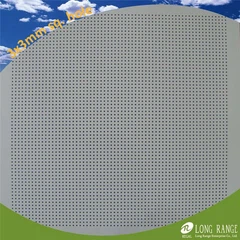
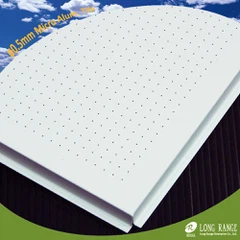
Before delving into the methods of enhancing sound absorption, it's essential to understand how micro perforated aluminium ceiling tiles work. Sound absorption is the process by which sound energy is converted into heat energy when it interacts with a material. Micro perforated aluminium ceiling tiles have small holes or perforations on their surface. When sound waves hit these perforations, they enter the cavities behind the tiles. Inside these cavities, the sound waves are reflected, refracted, and dissipated, reducing the amount of sound that is reflected back into the room.
Optimizing Perforation Parameters
The perforation parameters of micro perforated aluminium ceiling tiles, such as perforation rate, hole diameter, and hole spacing, have a significant impact on sound absorption.
- Perforation Rate: The perforation rate is the ratio of the total area of the perforations to the total area of the tile. A higher perforation rate generally allows more sound waves to enter the cavities behind the tiles, increasing sound absorption. However, if the perforation rate is too high, the structural integrity of the tile may be compromised. For most applications, a perforation rate between 1% and 5% is recommended. By carefully adjusting the perforation rate based on the specific acoustic requirements of the space, we can achieve optimal sound - absorbing performance.
- Hole Diameter: The diameter of the perforations also affects sound absorption. Smaller hole diameters can increase the resistance to the flow of air caused by sound waves, which in turn enhances sound absorption at higher frequencies. On the other hand, larger hole diameters are more effective at absorbing lower - frequency sounds. A combination of different hole diameters can be used to create a broadband sound - absorbing effect. For example, our Micro Perforated Aluminium Ceiling Tile products offer a variety of hole diameter options to meet diverse acoustic needs.
- Hole Spacing: The spacing between the perforations is another important factor. A uniform and appropriate hole spacing ensures that sound waves are evenly distributed across the tile surface, maximizing the interaction between the sound waves and the perforations. Irregular or too - wide hole spacing may lead to uneven sound absorption and reduce the overall effectiveness of the tile.
Backing Material Selection
The backing material behind the micro perforated aluminium ceiling tile can significantly enhance its sound - absorbing properties.
- Fiberglass Insulation: Fiberglass insulation is a popular choice for backing material. It has excellent sound - absorbing capabilities due to its fibrous structure, which traps sound waves and converts them into heat. When used in conjunction with micro perforated aluminium ceiling tiles, fiberglass insulation can improve the overall sound absorption coefficient, especially at mid - to high - frequencies. The thickness and density of the fiberglass insulation can be adjusted according to the specific acoustic requirements of the space.
- Mineral Wool: Mineral wool is another effective backing material. It is made from natural or synthetic minerals and has good fire - resistance and sound - absorption properties. Mineral wool can absorb a wide range of sound frequencies, making it suitable for various applications, such as auditoriums, theaters, and office buildings. By installing a layer of mineral wool behind the micro perforated aluminium ceiling tile, we can create a more efficient sound - absorbing system.
Installation Considerations
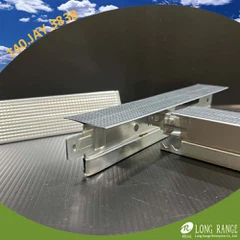
Proper installation is crucial for achieving the best sound - absorbing effect of micro perforated aluminium ceiling tiles.
- Air Gap: Creating an air gap between the ceiling tile and the ceiling structure can enhance sound absorption. The air gap acts as a resonator, which helps to trap and dissipate sound waves. The size of the air gap can be adjusted to target specific frequencies. For example, a larger air gap is more effective at absorbing lower - frequency sounds, while a smaller air gap may be better for higher - frequency absorption.
- Sealing: Ensuring proper sealing around the edges of the ceiling tiles is essential. Any gaps or leaks can allow sound to escape, reducing the overall sound - absorbing performance. We recommend using high - quality sealants to seal the joints between the tiles and around the perimeter of the installation area. This helps to create a more air - tight environment and improves the effectiveness of the sound - absorbing system.
Room Geometry and Layout
The geometry and layout of the room also play a role in the sound - absorbing performance of micro perforated aluminium ceiling tiles.
- Room Shape: Irregularly shaped rooms can cause sound waves to scatter in different directions, which may reduce the effectiveness of the ceiling tiles. In such cases, additional acoustic treatments, such as wall panels or bass traps, may be required to improve sound absorption. On the other hand, rectangular or square rooms with smooth walls and ceilings are more conducive to the uniform distribution of sound waves and can make better use of the sound - absorbing properties of the ceiling tiles.
- Furniture and Decor: The presence of furniture and decor in the room can affect sound absorption. Soft furnishings, such as curtains, carpets, and upholstered furniture, can absorb sound waves and complement the sound - absorbing effect of the ceiling tiles. By strategically placing these items in the room, we can create a more acoustically balanced environment.
Testing and Evaluation
After installation, it's important to test and evaluate the sound - absorbing performance of the micro perforated aluminium ceiling tiles.


- Sound Absorption Coefficient Measurement: The sound absorption coefficient is a measure of how well a material absorbs sound. It can be measured using standardized testing methods, such as the reverberation room method or the impedance tube method. By measuring the sound absorption coefficient of the installed ceiling tiles, we can determine whether the desired acoustic performance has been achieved. If the results are not satisfactory, adjustments can be made, such as changing the backing material or adjusting the air gap.
- Subjective Evaluation: In addition to objective measurements, subjective evaluation by occupants of the room is also important. They can provide feedback on the overall acoustic quality, such as the level of noise reduction, clarity of speech, and the absence of echoes. This feedback can help us identify any areas that need improvement and make further adjustments to the sound - absorbing system.
Conclusion
Improving the sound - absorbing effect of micro perforated aluminium ceiling tiles requires a comprehensive approach that considers perforation parameters, backing material selection, installation methods, room geometry, and testing. As a supplier of Micro Perforated Aluminium Ceiling Tile, we are committed to providing high - quality products and professional advice to help our customers achieve the best acoustic performance in their projects. If you're interested in our products or have any questions about improving sound absorption, please feel free to contact us for procurement and further discussion. We look forward to working with you to create more acoustically comfortable spaces.
References
- Beranek, Leo L. "Acoustics." American Institute of Physics, 1954.
- Kinsler, Lawrence E., et al. "Fundamentals of Acoustics." Wiley, 2000.
- Cox, Trevor J., and Peter D'Antonio. "Acoustic Absorbers and Diffusers: Theory, Design and Application." Taylor & Francis, 2004.
Send Inquiry