

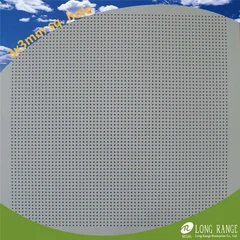
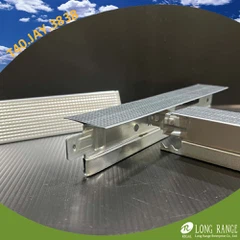
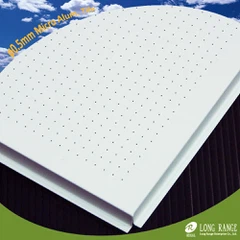
How to increase the acoustic performance of Gypsum Board 5x5mm Square Hole?
Jun 03, 2025
Leave a message
Hey there! As a supplier of Gypsum Board 5x5mm Square Hole, I've been getting a lot of questions lately about how to boost its acoustic performance. Well, you've come to the right place! In this blog, I'm gonna share some practical tips and tricks to help you make the most out of this amazing product.
First off, let's understand why acoustic performance matters. Whether you're working on a commercial building like an office, a theater, or a residential space, good acoustics can significantly enhance the overall experience. It reduces noise distractions, improves speech clarity, and creates a more comfortable environment. And that's where our Gypsum Board 5x5mm Square Hole comes in. You can check out more about it Gypsum Board 5x5mm Square Hole.


1. Proper Installation
The way you install the gypsum board plays a huge role in its acoustic performance. Make sure to follow the manufacturer's guidelines carefully. Use the right type of fasteners and ensure a tight fit between the boards. Any gaps or loose connections can allow sound to leak through, reducing the effectiveness of the acoustic insulation.
For example, when installing the boards on the wall, use screws at the recommended intervals. Don't over - tighten them, as this can cause the board to crack, but also make sure they're snug enough to hold the board firmly in place. And if you're installing multiple layers of gypsum board, stagger the joints between the layers. This helps to break up the sound path and improves the overall acoustic performance.
2. Adding Insulation Materials
One of the most effective ways to increase the acoustic performance of the Gypsum Board 5x5mm Square Hole is by adding insulation materials behind it. Materials like fiberglass insulation, mineral wool, or acoustic foam can absorb sound waves and prevent them from passing through the wall or ceiling.
Fiberglass insulation is a popular choice because it's relatively inexpensive and easy to install. You can cut it to the right size and fit it between the wall studs or ceiling joists before installing the gypsum board. Mineral wool is another great option, as it has excellent fire - resistant properties in addition to its acoustic benefits. And acoustic foam can be used in areas where you need more targeted sound absorption, like recording studios or home theaters.
3. Sealing the Edges and Gaps
Even a small gap around the edges of the gypsum board or between the boards can have a big impact on the acoustic performance. That's why it's crucial to seal all the edges and gaps with acoustic caulk. This caulk is designed to fill in the spaces and prevent sound from leaking out.
When applying the caulk, make sure to get a good bead around the perimeter of each board. Smooth it out with a putty knife or your finger to ensure a tight seal. Pay special attention to the corners and joints, as these are the areas where sound is most likely to escape.
4. Using Multiple Layers
Installing multiple layers of Gypsum Board 5x5mm Square Hole can significantly improve the acoustic performance. Each additional layer adds more mass to the wall or ceiling, which helps to block sound waves.
However, when using multiple layers, it's important to use the right technique. As I mentioned earlier, stagger the joints between the layers. Also, make sure to use an appropriate adhesive between the layers to bond them together. This creates a more solid structure and enhances the sound - blocking ability.
5. Consider the Room Design
The layout and design of the room can also affect the acoustic performance of the gypsum board. For example, if you have a lot of hard surfaces in the room, like concrete floors or glass walls, sound will bounce around more, creating echoes. To counter this, you can add soft furnishings like curtains, carpets, and upholstered furniture. These materials absorb sound and help to improve the overall acoustics of the room.
Another thing to consider is the shape of the room. Irregularly shaped rooms tend to have better acoustic properties than square or rectangular rooms because the sound waves are scattered in different directions. If possible, try to incorporate some curves or angles in the room design to break up the sound.
6. Testing and Adjusting
Once you've installed the Gypsum Board 5x5mm Square Hole and made all the necessary improvements, it's a good idea to test the acoustic performance. You can use a sound level meter to measure the noise reduction in the room. If you find that the performance isn't up to your expectations, don't worry. You can go back and make some adjustments.
Maybe you need to add more insulation, or perhaps the edges weren't sealed properly. By testing and making adjustments, you can fine - tune the acoustic performance to meet your specific needs.
In conclusion, there are several ways to increase the acoustic performance of Gypsum Board 5x5mm Square Hole. From proper installation and adding insulation to sealing gaps and considering the room design, every step counts. If you're interested in purchasing our Gypsum Board 5x5mm Square Hole or have any questions about improving its acoustic performance, feel free to reach out. We're here to help you create the perfect acoustic environment for your project.
References
- "Acoustics for Dummies" by Jeff Voris
- Building Science Corporation's research on acoustic insulation in building materials
- Manufacturer's guidelines for Gypsum Board 5x5mm Square Hole installation
Send Inquiry