

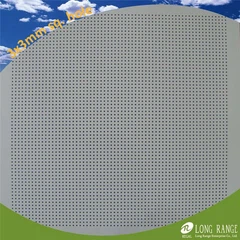
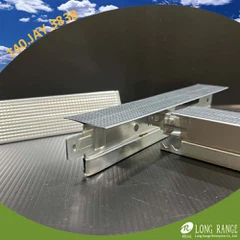
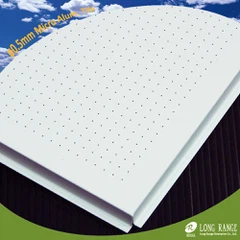
How to prevent moisture absorption in a 6mm round hole gypsum board?
Jul 17, 2025
Leave a message
Hey there! I'm a supplier of Gypsum Board 6mm Round Hole, and I've seen firsthand how moisture can mess with these boards. In this blog, I'll share some practical tips on how to prevent moisture absorption in a 6mm round hole gypsum board.
Why Moisture is a Big Deal for Gypsum Boards
Gypsum boards are great for a lot of things, like interior wall partitions and ceilings. But they're pretty porous, which means they can soak up moisture easily. When a gypsum board absorbs moisture, it can lead to all sorts of problems. For starters, it can lose its structural integrity. The board might start to sag or even break, especially if it's supporting any weight.
Moisture also creates a perfect environment for mold and mildew to grow. These not only look ugly but can also cause health issues, especially for people with allergies or respiratory problems. And let's not forget about the aesthetic side. A moisture - damaged gypsum board can develop stains and discoloration, making your space look shabby.
Understanding the Sources of Moisture
Before we dive into the prevention methods, it's important to know where the moisture might be coming from. There are a few common sources:
- Humidity: High humidity levels in the air can cause moisture to condense on the gypsum board. This is especially true in areas with hot and humid climates or in rooms like bathrooms and kitchens where steam is often present.
- Leakage: Water leaks from pipes, roofs, or windows can directly expose the gypsum board to moisture. Even a small, slow - moving leak can cause significant damage over time.
- Ground Moisture: If the gypsum board is installed close to the ground, moisture from the soil can seep up through the floor and into the board.
Prevention Methods
Proper Installation
The way you install the gypsum board can have a big impact on its ability to resist moisture. Here are some key points:
- Use Vapor Barriers: A vapor barrier is a material that prevents moisture from passing through. When installing a 6mm round hole gypsum board, place a vapor barrier between the board and the wall or ceiling structure. This could be a plastic sheet or a specialized vapor - barrier paint. Make sure the vapor barrier is properly sealed around the edges to prevent any moisture from sneaking in.
- Leave Adequate Space: Don't install the gypsum board directly against a wall or ceiling that might be prone to moisture. Leave a small gap to allow for air circulation. This helps to reduce the chances of moisture buildup between the board and the surface behind it.
- Seal the Edges: Use a high - quality sealant to seal the edges of the gypsum board. This prevents moisture from seeping in through the cut edges, which are often more porous than the surface of the board.
Environmental Control
Controlling the environment around the gypsum board is crucial for preventing moisture absorption.
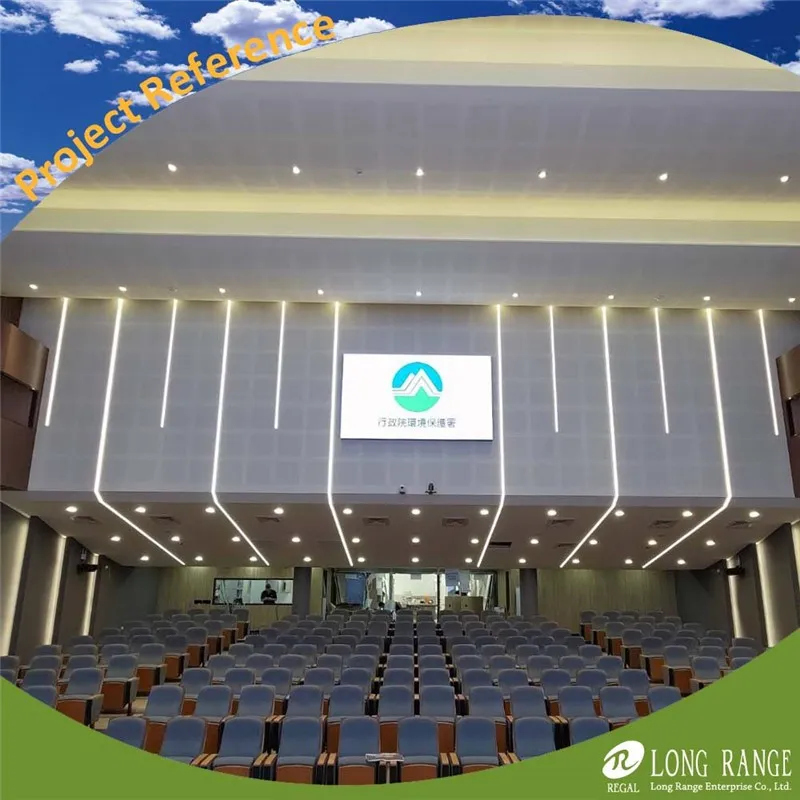

- Dehumidify the Air: Use a dehumidifier in areas with high humidity. This helps to reduce the amount of moisture in the air, which in turn reduces the chances of condensation on the gypsum board. Set the dehumidifier to maintain a relative humidity level between 30% and 50%.
- Proper Ventilation: Good ventilation is essential, especially in areas where moisture is likely to be generated. In bathrooms, install exhaust fans to remove steam. In kitchens, use range hoods to vent out cooking fumes and moisture. Make sure that all ventilation systems are working properly and are cleaned regularly to ensure maximum efficiency.
- Fix Leaks Promptly: As soon as you notice a water leak, fix it right away. Whether it's a leaky pipe or a roof leak, don't let the water continue to come into contact with the gypsum board. Inspect your property regularly for signs of leaks, such as water stains or damp spots.
Coating and Treatment
Applying a protective coating or treatment to the gypsum board can also help to prevent moisture absorption.
- Water - Repellent Paints: There are special water - repellent paints available on the market. These paints create a protective layer on the surface of the gypsum board, making it more resistant to moisture. Apply at least two coats of the paint for maximum protection.
- Sealants and Coatings: Some sealants and coatings are specifically designed for gypsum boards. These can be applied to the surface of the board to fill in the pores and create a barrier against moisture. Make sure to follow the manufacturer's instructions when applying these products.
Monitoring and Maintenance
Once you've taken all the preventive measures, it's important to monitor the gypsum board regularly for any signs of moisture absorption.
- Visual Inspection: Check the gypsum board regularly for any signs of discoloration, warping, or mold growth. If you notice any of these signs, take action immediately to address the problem.
- Humidity Monitoring: Use a hygrometer to measure the humidity levels in the room. This allows you to keep an eye on the environment and take steps to adjust the humidity if necessary.
Conclusion
Preventing moisture absorption in a 6mm round hole gypsum board is all about a combination of proper installation, environmental control, and regular maintenance. By following the tips I've shared in this blog, you can significantly reduce the chances of moisture damage to your gypsum boards.
If you're interested in purchasing high - quality Gypsum Board 6mm Round Hole, feel free to reach out to start a purchase negotiation. I'm here to help you get the best products for your needs.
References
- Building Science Corporation. "Moisture Control in Buildings."
- Gypsum Association. "Gypsum Board Installation Best Practices."
Send Inquiry