

How to test a 24mm face grid?
Aug 13, 2025
Leave a message
As a supplier of 24mm face grids, ensuring the quality of our products is of utmost importance. A thorough testing process not only guarantees that the grids meet industry standards but also provides our customers with reliable and durable solutions for their ceiling projects. In this blog, I'll share how to test a 24mm face grid, covering various aspects from initial visual inspections to more in - depth performance evaluations.
Visual Inspection
The first step in testing a 24mm face grid is a comprehensive visual inspection. This is a simple yet crucial process that can identify obvious defects early on.
- Surface Finish: Carefully examine the surface of the grid for any scratches, dents, or unevenness. A smooth and consistent surface finish is a sign of high - quality manufacturing. Any visible blemishes could affect the aesthetic appeal of the ceiling installation and may also indicate underlying structural issues.
- Color Consistency: Check for color uniformity across the entire grid. Inconsistent coloring can be a result of improper coating processes or material variations. For projects where a seamless and professional look is required, color consistency is essential.
- Dimensions: Measure the key dimensions of the 24mm face grid, including the width, height, and length. Deviations from the specified dimensions can lead to installation problems, such as gaps or misalignments. Use precision measuring tools like calipers and rulers to ensure accurate measurements.
Structural Integrity Testing
The structural integrity of the 24mm face grid is vital for its long - term performance. Several tests can be conducted to assess this aspect.


- Load - Bearing Capacity: One of the most important tests is to evaluate the load - bearing capacity of the grid. This can be done by applying a gradually increasing load at specific points on the grid. We can use weights or hydraulic presses to simulate real - world conditions. The grid should be able to support the expected load without deformation or failure. For example, in a commercial building, the ceiling grid may need to support the weight of lighting fixtures, ventilation ducts, and other equipment.
- Flexural Strength: Test the flexural strength of the grid by placing it on two supports and applying a force at the center. This simulates the bending forces that the grid may experience during installation or use. A grid with good flexural strength will not break or permanently deform under normal bending conditions.
- Joining Points: Examine the joining points of the grid components. These areas are often the weakest points in the structure. Apply a moderate amount of force to the joints to check for looseness or separation. Secure and well - designed joining points are crucial for maintaining the overall stability of the ceiling grid.
Chemical and Material Analysis
To ensure the durability and safety of the 24mm face grid, chemical and material analysis can be performed.
- Material Composition: Use techniques such as spectroscopy or chemical analysis to determine the exact composition of the grid material. This helps to verify that the correct materials are being used and that there are no harmful substances present. For example, in some applications, the grid may need to be made of corrosion - resistant materials to withstand high - humidity environments.
- Coating Quality: Analyze the coating on the grid surface. The coating not only provides an aesthetic finish but also protects the grid from corrosion and wear. Tests can include measuring the thickness of the coating, its adhesion strength, and its resistance to chemicals and abrasion.
Compatibility Testing
In many ceiling installations, the 24mm face grid needs to be compatible with other components such as ceiling tiles, lighting fixtures, and ventilation systems.
- Ceiling Tile Compatibility: Place sample ceiling tiles on the grid to check for proper fit and alignment. The grid should be able to support the tiles securely and allow for easy installation and removal. Any gaps or misfits can lead to a less - than - professional appearance and may also affect the functionality of the ceiling system.
- Fixture Installation: Test the installation of lighting fixtures and other equipment on the grid. The grid should have appropriate mounting points and be able to support the weight and vibration of these fixtures without causing any damage or instability.
Environmental Testing
The 24mm face grid may be exposed to various environmental conditions, so it's important to test its performance under different circumstances.
- Corrosion Resistance: Expose the grid to a corrosive environment, such as a salt - spray chamber, for a specified period. This simulates the effects of humidity, moisture, and airborne contaminants. After the exposure, examine the grid for signs of corrosion, such as rust or pitting. A corrosion - resistant grid will have a longer lifespan, especially in harsh environments like bathrooms or coastal areas.
- Temperature and Humidity Resistance: Subject the grid to different temperature and humidity levels to assess its performance. Extreme temperatures and high humidity can cause materials to expand, contract, or warp. The grid should maintain its structural integrity and dimensional stability under these conditions.
Sound and Fire Resistance Testing
Depending on the application, the 24mm face grid may need to meet certain sound and fire resistance standards.
- Sound Insulation: Use sound - testing equipment to measure the sound - insulating properties of the grid. A good ceiling grid can help reduce noise transmission between different areas of a building, creating a more comfortable and quiet environment.
- Fire Resistance: Conduct fire - resistance tests to determine how the grid behaves in the event of a fire. This can involve exposing the grid to a controlled fire source and measuring its ability to resist ignition, flame spread, and heat transfer. Fire - resistant grids are essential for ensuring the safety of building occupants.
Product Examples
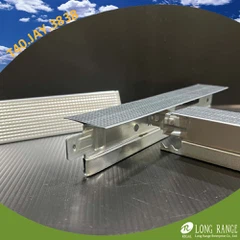
We offer a variety of 24mm face grids to meet different customer needs. For example, our Suspended Ceiling Grid UT24 MT38h CT38h Jay Ends is a popular choice for its excellent structural performance and aesthetic appeal. Another option is our Suspended Ceiling Grid T24 MT38h CT38h Jay Ends, which is known for its easy installation and compatibility with a wide range of ceiling tiles. And our Suspended Ceiling Grid T24 MT33h CT25h offers a unique combination of strength and cost - effectiveness.
Conclusion
Testing a 24mm face grid is a multi - faceted process that involves a series of visual, structural, chemical, and performance - based tests. By conducting these tests thoroughly, we can ensure that our products meet the highest quality standards and provide our customers with reliable and long - lasting ceiling solutions.
If you are interested in our 24mm face grid products or have any questions about the testing process, we encourage you to contact us for further discussion and procurement negotiation. We are committed to providing you with the best products and services to meet your ceiling project needs.
References
- Building and Construction Research Institute standards on ceiling grid testing.
- Industry best practices for quality control of ceiling grid products.
Send Inquiry