

What is the distortion level of a 24mm face grid?
Jan 07, 2026
Leave a message
In the realm of interior construction and design, 24mm face grids play a crucial role, especially in suspended ceiling systems. As a supplier of 24mm face grids, I've had the opportunity to engage with various clients, from architects to contractors, and understand their concerns about the distortion level of these grids. In this blog, I'll delve into what the distortion level of a 24mm face grid is, why it matters, and how our products stack up in this regard.
Understanding the Basics of a 24mm Face Grid
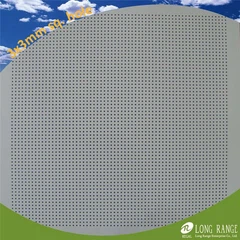
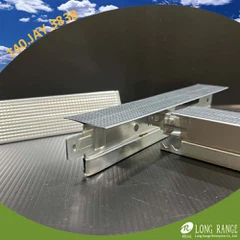
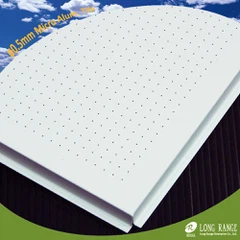
Before we jump into the distortion level, let's first understand what a 24mm face grid is. A 24mm face grid is a component of a suspended ceiling system. The "24mm" refers to the width of the visible part of the grid, which is the face. These grids are typically made of materials like aluminum or steel and are used to create a framework for ceiling tiles. They come in different profiles and designs, such as the Suspended Ceiling Grid T24 MT38h CT38h Jay Ends, Suspended Ceiling Grid T24 MT33h CT25h, and Suspended Ceiling Grid UT24 MT38h CT38h Jay Ends.
What is Distortion in a 24mm Face Grid?
Distortion in a 24mm face grid refers to any deviation from its intended shape or dimensions. This can manifest in several ways, such as bending, warping, or twisting. There are different types of distortion, and each can have a significant impact on the overall appearance and functionality of the suspended ceiling system.
Types of Distortion
- Bending: This occurs when the grid is subjected to a force that causes it to curve. Bending can be either uniform or non - uniform. Uniform bending might happen if the grid is placed under a consistent load along its length, while non - uniform bending can result from uneven installation or localized stress points.
- Warping: Warping is a more complex form of distortion where the grid loses its flatness. It can be caused by factors like improper storage, exposure to extreme temperatures, or differences in the material's internal stress.
- Twisting: Twisting happens when one end of the grid rotates relative to the other. This can occur during installation if the grid is not properly aligned or if there is excessive torque applied.
Factors Affecting the Distortion Level
Several factors can influence the distortion level of a 24mm face grid. Understanding these factors is crucial for both manufacturers and end - users to ensure the quality and longevity of the ceiling system.
Material Quality
The quality of the material used to make the grid is one of the most significant factors. High - quality aluminum or steel with the right alloy composition and proper heat treatment is less likely to distort. For example, aluminum grids with a higher purity level and appropriate tempering are more resistant to bending and warping.
Manufacturing Process
The manufacturing process also plays a vital role. Precise extrusion or roll - forming techniques ensure that the grid has consistent dimensions and a uniform cross - section. Any irregularities in the manufacturing process, such as uneven thickness or improper shaping, can increase the likelihood of distortion.
Installation
Proper installation is key to minimizing distortion. If the grid is not installed correctly, it can be subjected to unnecessary stress, leading to bending or twisting. For instance, if the grid is not level or if the clips and hangers are not properly attached, it can cause uneven loading on the grid.


Environmental Conditions
Environmental factors can also affect the distortion level. Exposure to high humidity or extreme temperatures can cause the material to expand or contract, leading to warping. For example, in a building with poor ventilation, the grid may be exposed to high levels of moisture, which can weaken the material over time.
Measuring the Distortion Level
To quantify the distortion level of a 24mm face grid, several methods can be used.
Visual Inspection
Visual inspection is the simplest method. A trained installer or inspector can look for obvious signs of bending, warping, or twisting. However, this method is subjective and may not detect minor distortions.
Dimensional Measurement
Using precision measuring tools, such as calipers or laser scanners, can provide more accurate information about the grid's dimensions. By comparing the measured dimensions with the specified dimensions, any deviations can be identified.
Load Testing
Load testing involves applying a known load to the grid and measuring its response. This can help determine the grid's strength and its ability to withstand normal loads without distorting. For example, a static load test can be performed to see how the grid behaves under a constant weight.
Our 24mm Face Grids and Distortion
As a supplier, we take great pride in the quality of our 24mm face grids. We use only the highest - quality materials and state - of - the - art manufacturing processes to minimize the distortion level.
Material Selection
We source our aluminum and steel from reputable suppliers who adhere to strict quality standards. Our aluminum grids are made from high - grade alloys that are known for their strength and corrosion resistance.
Quality Control
We have a rigorous quality control process in place. Every grid undergoes multiple inspections during and after the manufacturing process. We use advanced measuring equipment to ensure that the grids meet the specified dimensions and have a low distortion level.
Technical Support
We also provide technical support to our customers during the installation process. Our team of experts can offer advice on proper installation techniques to further reduce the risk of distortion.
Importance of Low Distortion in a 24mm Face Grid
A low distortion level in a 24mm face grid is essential for several reasons.
Aesthetics
From an aesthetic perspective, a distorted grid can ruin the overall look of the suspended ceiling. A ceiling with bent or warped grids appears unprofessional and can detract from the beauty of the interior space. A low - distortion grid ensures a smooth and uniform appearance, enhancing the visual appeal of the ceiling.
Functionality
Functionally, a grid with a low distortion level is more reliable. It provides a stable framework for the ceiling tiles, preventing them from shifting or falling out. This is especially important in commercial buildings where safety and reliability are of utmost concern.
Conclusion
In conclusion, the distortion level of a 24mm face grid is a critical factor that affects both the appearance and functionality of a suspended ceiling system. As a supplier, we are committed to providing high - quality grids with a low distortion level. By understanding the factors that affect distortion and taking appropriate measures to control them, we can ensure that our customers receive a product that meets their expectations.
If you are in the market for 24mm face grids and are concerned about the distortion level, we invite you to contact us for more information. We can provide samples, technical specifications, and pricing details. Our team is ready to assist you in finding the perfect grid for your project. Let's start a conversation about your ceiling grid needs and work together to create a beautiful and functional ceiling system.
References
- ASTM International. (Year). Standard Specification for Aluminum Extruded Profiles for Building Construction.
- National Fire Protection Association. (Year). NFPA 13: Standard for the Installation of Sprinkler Systems (which may have implications for ceiling grid installation).
- Building Codes Institute. (Year). International Building Code, which includes requirements for ceiling systems.
Send Inquiry