

What is the electrical conductivity of micro perforated aluminium ceiling tiles?
Aug 29, 2025
Leave a message
As a supplier of Micro Perforated Aluminium Ceiling Tiles, I often receive various inquiries from customers regarding the features and properties of our products. One question that frequently comes up is about the electrical conductivity of these ceiling tiles. In this blog post, I will delve into the topic of the electrical conductivity of micro perforated aluminium ceiling tiles, exploring what it means, how it's relevant, and what factors can influence it.


Understanding Electrical Conductivity
Before we discuss the electrical conductivity of micro perforated aluminium ceiling tiles, it's essential to understand what electrical conductivity is. Electrical conductivity is a measure of a material's ability to conduct an electric current. It is the reciprocal of electrical resistivity. Materials with high electrical conductivity allow electrons to move freely through them, while those with low conductivity impede the flow of electrons.
Metals are generally known for their high electrical conductivity. This is because they have a large number of free electrons that can move easily in response to an applied electric field. Aluminium is one such metal. It is a good conductor of electricity, which is why it is widely used in electrical applications such as power transmission lines, electrical wiring, and electronic components.
Electrical Conductivity of Aluminium
Aluminium has a relatively high electrical conductivity. At room temperature, the electrical conductivity of pure aluminium is approximately 3.77×10⁷ S/m (siemens per meter). This value can vary slightly depending on factors such as the purity of the aluminium, its temperature, and any alloying elements present.
The high electrical conductivity of aluminium is due to its atomic structure. Aluminium atoms have three valence electrons that are relatively loosely bound to the nucleus. These free electrons can move easily through the metal lattice when an electric field is applied, allowing for the flow of electric current.
Micro Perforated Aluminium Ceiling Tiles
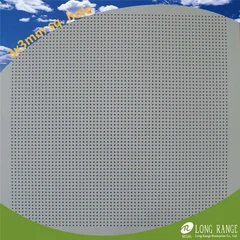
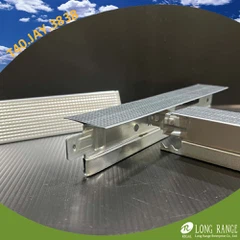
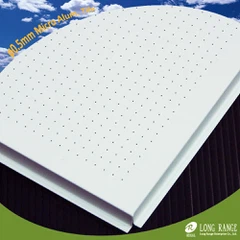
Micro perforated aluminium ceiling tiles are made from aluminium sheets that have been perforated with tiny holes. These tiles are commonly used in architectural applications for their aesthetic appeal, acoustic properties, and light diffusion capabilities.
The perforations in the ceiling tiles serve several purposes. They can help to reduce noise by allowing sound waves to pass through the tiles and be absorbed by a backing material. They can also enhance the visual appearance of the ceiling by creating interesting patterns and textures. Additionally, the perforations can improve the ventilation and air circulation in a space.
How Perforations Affect Electrical Conductivity
The presence of perforations in micro perforated aluminium ceiling tiles can have an impact on their electrical conductivity. When the aluminium sheet is perforated, the amount of conductive material is reduced, as there are now holes in the sheet where there is no aluminium. This effectively increases the electrical resistivity of the material and decreases its electrical conductivity.
However, the effect of the perforations on electrical conductivity depends on several factors, including the size, shape, and density of the perforations. If the perforations are small and widely spaced, the impact on electrical conductivity may be minimal. On the other hand, if the perforations are large and closely spaced, the electrical conductivity of the ceiling tile may be significantly reduced.
Other Factors Influencing Electrical Conductivity
In addition to the perforations, there are other factors that can influence the electrical conductivity of micro perforated aluminium ceiling tiles. These include:
- Alloy Composition: Most aluminium used in ceiling tiles is an alloy, which means it contains other elements in addition to aluminium. The presence of these alloying elements can affect the electrical conductivity of the material. For example, some alloying elements may increase the electrical resistivity of the aluminium, while others may have a minimal effect.
- Surface Coating: Micro perforated aluminium ceiling tiles are often coated with a protective finish to enhance their durability and appearance. The type of coating used can also affect the electrical conductivity of the tiles. Some coatings may be electrically insulating, which can reduce the overall conductivity of the tile.
- Temperature: Like all metals, the electrical conductivity of aluminium decreases with increasing temperature. This is because as the temperature rises, the atoms in the metal vibrate more vigorously, which can impede the flow of electrons. Therefore, the electrical conductivity of micro perforated aluminium ceiling tiles may be lower in a hot environment compared to a cold one.
Applications and Relevance of Electrical Conductivity
In most architectural applications, the electrical conductivity of micro perforated aluminium ceiling tiles is not a critical factor. These tiles are primarily used for their aesthetic and acoustic properties, and the electrical conductivity is often not a consideration.
However, there are some situations where the electrical conductivity of the ceiling tiles may be relevant. For example, in some industrial or high-tech environments, there may be a need for the ceiling tiles to have a certain level of electrical conductivity to prevent the buildup of static electricity. Static electricity can cause problems such as attracting dust and debris, interfering with electronic equipment, and even causing electrical shocks.
In such cases, it is important to choose micro perforated aluminium ceiling tiles with an appropriate level of electrical conductivity. Our company, as a supplier of these ceiling tiles, can provide technical specifications and guidance on the electrical conductivity of our products to meet the specific requirements of different applications.
Conclusion
In conclusion, micro perforated aluminium ceiling tiles have a certain level of electrical conductivity, which is primarily determined by the properties of the aluminium material and the presence of perforations. While the perforations can reduce the electrical conductivity of the tiles, the overall effect depends on various factors such as the size, shape, and density of the perforations, as well as the alloy composition, surface coating, and temperature.
Although the electrical conductivity of micro perforated aluminium ceiling tiles is not a major concern in most architectural applications, it can be important in certain industrial or high-tech settings. As a supplier of these ceiling tiles, we are committed to providing high-quality products with consistent performance and can offer expert advice on the electrical conductivity and other properties of our micro perforated aluminium ceiling tiles.
If you are interested in our Micro Perforated Aluminium Ceiling Tile products or have any questions about their electrical conductivity or other features, please feel free to contact us. We look forward to discussing your specific needs and helping you find the perfect ceiling tile solution for your project.
References
- "Electrical Conductivity of Metals." HyperPhysics, Georgia State University.
- "Aluminium: Properties and Applications." The Aluminium Association.
- "Micro Perforated Panel Absorbers: A Review." Journal of Sound and Vibration.
Send Inquiry