

What is the maximum depth for a 3mm square hole?
May 28, 2025
Leave a message
As a supplier specializing in 3mm square holes, I often receive inquiries about the maximum depth for such holes. This question is crucial for various applications, ranging from architectural design to industrial manufacturing. In this blog post, I will delve into the factors that determine the maximum depth of a 3mm square hole and provide insights based on our experience in the industry.
Understanding the Basics of Hole Depth
Before we discuss the maximum depth for a 3mm square hole, it's essential to understand the concept of hole depth itself. Hole depth refers to the distance from the surface of the material to the bottom of the hole. In the case of a 3mm square hole, the depth is measured perpendicular to the surface of the material where the hole is drilled or punched.
The maximum depth of a 3mm square hole is not a fixed value but depends on several factors, including the material being drilled or punched, the method used to create the hole, and the specific requirements of the application.
Factors Affecting the Maximum Depth
Material Properties
The type of material plays a significant role in determining the maximum depth of a 3mm square hole. Different materials have varying levels of hardness, brittleness, and ductility, which can affect the drilling or punching process.
- Metals: Metals such as steel, aluminum, and copper are commonly used in industrial applications. They are generally more ductile than other materials, which means they can withstand more deformation without cracking. However, the hardness of the metal can also pose challenges during the drilling process. For example, stainless steel is a relatively hard metal, and drilling deep holes in it may require specialized tools and techniques.
- Plastics: Plastics are lightweight and have good chemical resistance, making them suitable for a wide range of applications. However, they can be brittle, especially at low temperatures. When drilling or punching holes in plastics, it's important to use the right tools and techniques to avoid cracking or melting the material.
- Ceramics: Ceramics are hard and brittle materials that are often used in high-temperature applications. Drilling holes in ceramics can be challenging due to their low fracture toughness. Specialized tools such as diamond drills are often required to create holes in ceramics.
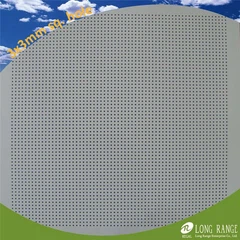
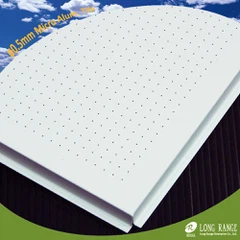
- Gypsum Board: Gypsum Board 3x3mm Square Hole is a popular material in the construction industry. It is relatively soft and easy to drill or punch holes in. However, the maximum depth of the holes may be limited by the thickness of the gypsum board itself.
Drilling or Punching Method
The method used to create the 3mm square hole also affects the maximum depth. There are several methods available, including drilling, punching, laser cutting, and waterjet cutting.
- Drilling: Drilling is the most common method for creating holes in materials. It involves using a rotating drill bit to remove material from the workpiece. The maximum depth of a drilled hole depends on the length of the drill bit and the stability of the drilling machine. In general, the maximum depth of a drilled hole is limited to a few times the diameter of the drill bit.
- Punching: Punching is a process of creating holes by forcing a punch through the material. It is a fast and efficient method for creating holes in thin materials. However, the maximum depth of a punched hole is limited by the thickness of the material and the strength of the punch.
- Laser Cutting: Laser cutting is a non-contact method of cutting materials using a high-powered laser beam. It is a precise and versatile method that can be used to create holes of various shapes and sizes. The maximum depth of a laser-cut hole depends on the power of the laser and the type of material being cut.
- Waterjet Cutting: Waterjet cutting is a method of cutting materials using a high-pressure stream of water mixed with abrasive particles. It is a versatile method that can be used to cut a wide range of materials, including metals, plastics, and ceramics. The maximum depth of a waterjet-cut hole depends on the pressure of the waterjet and the type of material being cut.
Application Requirements
The specific requirements of the application also play a role in determining the maximum depth of a 3mm square hole. For example, in some applications, such as heat exchangers, the holes need to be deep enough to allow for efficient heat transfer. In other applications, such as decorative panels, the holes may only need to be shallow to achieve the desired aesthetic effect.
Determining the Maximum Depth for a 3mm Square Hole
Based on our experience as a 3mm square hole supplier, the maximum depth for a 3mm square hole can vary widely depending on the factors mentioned above. In general, the maximum depth of a 3mm square hole in most materials is between 10mm and 50mm. However, in some cases, it may be possible to create deeper holes using specialized tools and techniques.


To determine the maximum depth for a 3mm square hole in a specific material, it's important to consider the following steps:
- Material Analysis: Analyze the properties of the material, including its hardness, brittleness, and ductility. This will help you choose the appropriate drilling or punching method and tools.
- Drilling or Punching Test: Conduct a drilling or punching test on a sample of the material to determine the maximum depth that can be achieved without causing damage to the material.
- Consider the Application Requirements: Consider the specific requirements of the application, such as the need for efficient heat transfer or the desired aesthetic effect. This will help you determine the optimal depth for the holes.
- Consult with an Expert: If you are unsure about the maximum depth for a 3mm square hole in a specific material, it's always a good idea to consult with an expert in the field. They can provide you with valuable insights and recommendations based on their experience and expertise.
Conclusion
In conclusion, the maximum depth for a 3mm square hole depends on several factors, including the material being drilled or punched, the method used to create the hole, and the specific requirements of the application. As a 3mm square hole supplier, we have the expertise and experience to help you determine the optimal depth for your holes based on your specific needs.
If you are interested in purchasing 3mm square holes or have any questions about the maximum depth for such holes, please feel free to contact us for a consultation. We look forward to working with you to meet your needs.
References
- "Machining Handbook" by Oberg, Jones, and Horton
- "Materials Science and Engineering: An Introduction" by William D. Callister Jr.
- "Manufacturing Engineering and Technology" by Serope Kalpakjian and Steven R. Schmid
Send Inquiry