

What is the seismic performance of micro perforated aluminium ceiling tiles?
Jan 05, 2026
Leave a message
As a supplier of Micro Perforated Aluminium Ceiling Tile, I've been deeply involved in understanding the various aspects of these products. One crucial area that often comes under scrutiny is their seismic performance. In this blog, I'll delve into what the seismic performance of micro perforated aluminium ceiling tiles entails, its significance, and how it impacts the overall functionality and safety of buildings.
Understanding Seismic Activity and Its Impact on Ceiling Tiles
Seismic activity, commonly known as earthquakes, is a natural phenomenon that can cause significant damage to buildings and infrastructure. During an earthquake, the ground shakes, and this movement is transferred to the structures above. Ceiling tiles, being an integral part of a building's interior, are also affected by these seismic forces.
The forces exerted during an earthquake can be complex, including horizontal and vertical movements, as well as rotational forces. These forces can cause ceiling tiles to dislodge, fall, or even break, posing a serious threat to the safety of the building's occupants. Therefore, it's essential to ensure that ceiling tiles, especially in seismic - prone areas, are designed and constructed to withstand these forces.


Seismic Performance of Micro Perforated Aluminium Ceiling Tiles
Micro perforated aluminium ceiling tiles have several characteristics that contribute to their seismic performance:
1. Material Properties
Aluminium is a lightweight yet strong material. Its high strength - to - weight ratio makes it an ideal choice for ceiling tiles in seismic - prone areas. Compared to heavier materials, aluminium ceiling tiles exert less load on the ceiling structure. During an earthquake, this reduced weight means that the forces acting on the supporting structure are also relatively lower, reducing the risk of structural failure.
The inherent ductility of aluminium is another important factor. Ductility is the ability of a material to deform plastically without fracturing. When subjected to seismic forces, the aluminium ceiling tiles can deform to some extent, absorbing and dissipating the energy generated by the earthquake. This deformation helps to prevent sudden and catastrophic failure of the tiles.
2. Perforation Design
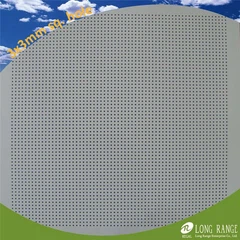
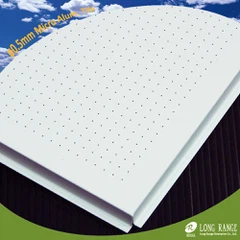
The micro perforations in the aluminium ceiling tiles not only serve acoustic and aesthetic purposes but also contribute to their seismic performance. The perforations reduce the overall mass of the tile, further lowering the load on the ceiling structure. Additionally, the perforations can act as stress - relief points. When seismic forces are applied, the stress can be distributed more evenly across the tile through these perforations, reducing the likelihood of concentrated stress points that could lead to cracking or breaking.
3. Installation Systems
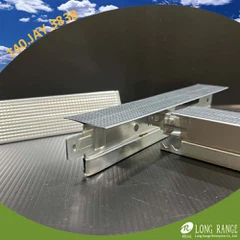
Proper installation is crucial for the seismic performance of ceiling tiles. Our micro perforated aluminium ceiling tiles are designed to be installed using advanced installation systems that are specifically engineered to withstand seismic forces. These systems typically include strong suspension mechanisms and secure fastening methods.
For example, some installation systems use flexible hangers that can absorb and accommodate the movements caused by an earthquake. The hangers are designed to allow for some degree of lateral and vertical movement of the ceiling tiles, preventing them from being rigidly fixed in place. This flexibility helps to reduce the stress on the tiles and the supporting structure during seismic activity.
Significance of Seismic Performance in Building Safety
The seismic performance of micro perforated aluminium ceiling tiles is of utmost importance for building safety. In the event of an earthquake, falling ceiling tiles can cause serious injuries to the building's occupants. They can also damage equipment and disrupt essential services within the building.
By using ceiling tiles with good seismic performance, building owners can minimize the risk of such incidents. This is particularly important in critical facilities such as hospitals, schools, and government buildings, where the safety of the occupants is of the highest priority.
Testing and Certification
To ensure the seismic performance of our micro perforated aluminium ceiling tiles, we subject them to rigorous testing procedures. These tests simulate the seismic forces that the tiles may encounter during an earthquake.
One common test is the shake - table test. In this test, the ceiling tiles are installed on a shake - table, which can be programmed to replicate different earthquake scenarios. The tiles are then subjected to various levels of shaking, and their performance is closely monitored. The test measures parameters such as the displacement of the tiles, the integrity of the installation system, and the occurrence of any damage or failure.
We also seek relevant certifications from recognized organizations. These certifications provide independent verification of the seismic performance of our ceiling tiles. Building owners and contractors can rely on these certifications when selecting ceiling tiles for seismic - prone areas.
Case Studies
There have been numerous real - world examples that demonstrate the importance of seismic - resistant ceiling tiles. In regions with high seismic activity, buildings that have installed micro perforated aluminium ceiling tiles have shown better performance during earthquakes compared to those with traditional ceiling materials.
For instance, in a recent earthquake in a coastal city, a hospital that had installed our micro perforated aluminium ceiling tiles experienced minimal damage to the ceiling system. The tiles remained in place, and there were no reports of falling tiles that could have endangered the patients and medical staff. In contrast, nearby buildings with heavier and less - seismic - resistant ceiling materials suffered significant damage, with many tiles falling and causing disruptions to the normal operation of the facilities.
Factors Affecting Seismic Performance
While micro perforated aluminium ceiling tiles generally have good seismic performance, several factors can affect their performance:
1. Installation Quality
Even the best - designed ceiling tiles can fail if they are not installed correctly. Improper installation, such as loose fastening or incorrect alignment of the tiles, can significantly reduce their seismic performance. It's essential to ensure that the installation is carried out by trained and experienced professionals who follow the manufacturer's guidelines.
2. Building Design
The overall design of the building also plays a role in the seismic performance of the ceiling tiles. Buildings with well - designed seismic - resistant structures can provide better support for the ceiling tiles. For example, a building with a flexible structural frame can better accommodate the movements during an earthquake, reducing the stress on the ceiling tiles.
3. Earthquake Magnitude and Frequency
The magnitude and frequency of the earthquake are important factors. A very large - magnitude earthquake with high - frequency vibrations can exceed the design limits of the ceiling tiles. While our ceiling tiles are designed to withstand a wide range of seismic forces, extremely severe earthquakes may still cause some damage.
Conclusion
The seismic performance of micro perforated aluminium ceiling tiles is a result of their unique material properties, perforation design, and proper installation systems. These tiles offer a safe and reliable solution for buildings in seismic - prone areas. Their lightweight, ductility, and stress - distribution capabilities help to minimize the risk of damage during an earthquake, protecting the building's occupants and infrastructure.
If you're in the process of building or renovating a structure in a seismic - prone area, I highly recommend considering our Micro Perforated Aluminium Ceiling Tile. Our products are backed by extensive testing and certifications, ensuring their high - quality seismic performance. Don't hesitate to contact us for more information or to discuss your specific requirements. We're here to assist you in making the best choice for your project.
References
- "Seismic Design of Building Structures" by American Society of Civil Engineers.
- "Materials Science and Engineering: An Introduction" by William D. Callister Jr. and David G. Rethwisch.
- Industry reports on seismic - resistant building materials and their applications.
Send Inquiry