

What is the standard thickness of micro perforated aluminium ceiling tiles?
Aug 18, 2025
Leave a message
As a seasoned supplier of Micro Perforated Aluminium Ceiling Tiles, I often encounter inquiries regarding the standard thickness of these versatile building materials. In this blog post, I aim to delve into the intricacies of micro perforated aluminium ceiling tile thickness, exploring the factors that influence it and providing insights into selecting the appropriate thickness for your specific project.
Understanding Micro Perforated Aluminium Ceiling Tiles
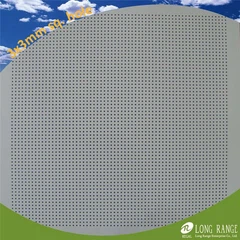
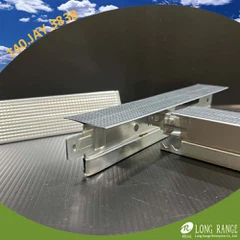
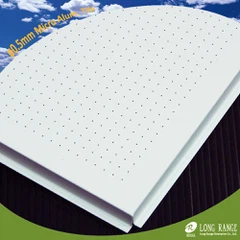
Micro Perforated Aluminium Ceiling Tiles are a popular choice for interior design projects due to their aesthetic appeal, durability, and acoustic properties. These tiles are made from high-quality aluminium sheets that are precision-perforated with tiny holes, creating a unique pattern that enhances the visual appeal of any space. The perforations also serve a functional purpose, allowing sound waves to pass through the tiles and be absorbed by the underlying acoustic insulation, reducing echo and improving the overall acoustic performance of the room.
Factors Influencing the Thickness of Micro Perforated Aluminium Ceiling Tiles
The thickness of micro perforated aluminium ceiling tiles is influenced by several factors, including the intended application, the size of the tiles, the spacing of the perforations, and the required level of acoustic performance. Let's take a closer look at each of these factors:
Intended Application
The intended application of the micro perforated aluminium ceiling tiles is one of the primary factors that determine the appropriate thickness. For example, if the tiles are being used in a commercial space such as an office, restaurant, or shopping mall, a thicker tile may be required to withstand the wear and tear of daily use. On the other hand, if the tiles are being used in a residential space such as a living room or bedroom, a thinner tile may be sufficient.
Size of the Tiles
The size of the micro perforated aluminium ceiling tiles also plays a role in determining the thickness. Larger tiles generally require a thicker gauge of aluminium to maintain their structural integrity and prevent sagging or warping over time. Conversely, smaller tiles can be made from a thinner gauge of aluminium without sacrificing strength or durability.
Spacing of the Perforations
The spacing of the perforations on the micro perforated aluminium ceiling tiles can also affect the thickness. Tiles with a higher density of perforations may require a thicker gauge of aluminium to maintain their structural integrity, as the perforations can weaken the material. Conversely, tiles with a lower density of perforations can be made from a thinner gauge of aluminium without sacrificing strength or durability.
Required Level of Acoustic Performance
The required level of acoustic performance is another important factor to consider when selecting the thickness of micro perforated aluminium ceiling tiles. Thicker tiles generally provide better acoustic insulation than thinner tiles, as they are able to absorb more sound waves. However, the level of acoustic performance also depends on the size and spacing of the perforations, as well as the type of acoustic insulation used behind the tiles.
Standard Thicknesses of Micro Perforated Aluminium Ceiling Tiles
While there is no one-size-fits-all answer to the question of what is the standard thickness of micro perforated aluminium ceiling tiles, there are several common thicknesses that are widely used in the industry. These thicknesses typically range from 0.5mm to 3.0mm, with 0.8mm, 1.0mm, and 1.2mm being the most commonly used thicknesses for commercial applications.
0.5mm - 0.8mm
Thicknesses in the range of 0.5mm to 0.8mm are generally considered to be on the thinner side and are often used in residential applications or in areas where weight is a concern. These thinner tiles are lightweight and easy to install, but they may not be as durable as thicker tiles and may require more frequent replacement.
0.8mm - 1.2mm
Thicknesses in the range of 0.8mm to 1.2mm are the most commonly used thicknesses for commercial applications. These tiles offer a good balance of strength, durability, and acoustic performance, making them suitable for a wide range of projects. They are also relatively easy to install and maintain, making them a popular choice among contractors and designers.
1.2mm - 3.0mm
Thicknesses in the range of 1.2mm to 3.0mm are considered to be on the thicker side and are often used in high-traffic areas or in applications where extra strength and durability are required. These thicker tiles are more robust and can withstand the wear and tear of daily use, but they are also heavier and more expensive than thinner tiles.
Selecting the Appropriate Thickness for Your Project
When selecting the appropriate thickness of micro perforated aluminium ceiling tiles for your project, it is important to consider the factors discussed above, as well as your specific requirements and budget. Here are some tips to help you make the right decision:
Consult with a Professional
If you are unsure which thickness of micro perforated aluminium ceiling tiles is best for your project, it is always a good idea to consult with a professional. A qualified contractor or designer can assess your needs and recommend the appropriate thickness based on the specific requirements of your project.
Consider the Intended Use
As mentioned earlier, the intended use of the micro perforated aluminium ceiling tiles is one of the primary factors that determine the appropriate thickness. Consider the level of traffic, the type of activities that will take place in the space, and the expected lifespan of the tiles when making your decision.
Evaluate the Acoustic Requirements
If acoustic performance is a priority for your project, it is important to select a thickness of micro perforated aluminium ceiling tiles that will provide the desired level of sound absorption. Thicker tiles generally provide better acoustic insulation than thinner tiles, but the level of acoustic performance also depends on the size and spacing of the perforations, as well as the type of acoustic insulation used behind the tiles.
Compare Prices
Finally, it is important to compare prices from different suppliers to ensure that you are getting the best value for your money. While thicker tiles may be more expensive than thinner tiles, they may also offer better long-term value in terms of durability and performance.


Conclusion
In conclusion, the standard thickness of micro perforated aluminium ceiling tiles can vary depending on several factors, including the intended application, the size of the tiles, the spacing of the perforations, and the required level of acoustic performance. While there is no one-size-fits-all answer to the question of what is the standard thickness, there are several common thicknesses that are widely used in the industry, ranging from 0.5mm to 3.0mm. When selecting the appropriate thickness for your project, it is important to consider your specific requirements and budget, and to consult with a professional if you are unsure.
If you are interested in learning more about our Micro Perforated Aluminium Ceiling Tiles or would like to discuss your project with one of our experts, please feel free to contact us. We are committed to providing high-quality products and exceptional customer service, and we look forward to helping you achieve your design goals.
References
Send Inquiry