

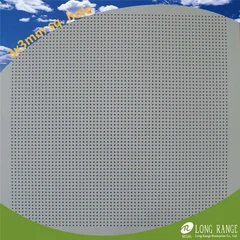
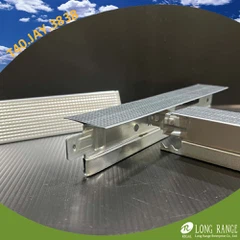
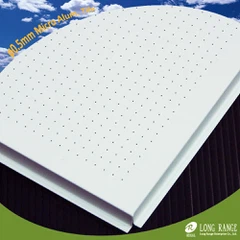
What is the thermal expansion coefficient of a 6mm round hole gypsum board?
Sep 24, 2025
Leave a message
Hey there! As a supplier of Gypsum Board 6mm Round Hole, I often get asked about the thermal expansion coefficient of this product. So, I thought I'd take a moment to break it down for you in a way that's easy to understand.
First off, let's talk about what thermal expansion coefficient actually means. In simple terms, it's a measure of how much a material will expand or contract when its temperature changes. Every material has its own unique thermal expansion coefficient, and this property can have a big impact on how the material behaves in different environments.
For our 6mm round hole gypsum board, the thermal expansion coefficient is an important factor to consider, especially if the board is going to be used in an environment where temperatures can vary significantly. You don't want the board to expand or contract too much, as this could lead to cracking, warping, or other issues that could affect its performance and appearance.
So, what is the thermal expansion coefficient of our 6mm round hole gypsum board? Well, the thermal expansion coefficient of gypsum board typically ranges from about 10 x 10^-6 /°C to 20 x 10^-6 /°C. This means that for every degree Celsius change in temperature, the gypsum board will expand or contract by about 10 to 20 millionths of its original length.
Now, you might be thinking, "That doesn't sound like much." And you're right, it's a relatively small amount. But over a large area or in a situation where temperatures change frequently, these small changes can add up. That's why it's important to take the thermal expansion coefficient into account when installing and using our gypsum board.
Let's take a closer look at how this works in practice. Imagine you're installing our 6mm round hole gypsum board in a building where the temperature can vary from 10°C in the winter to 30°C in the summer. That's a 20°C difference in temperature. If we assume a thermal expansion coefficient of 15 x 10^-6 /°C, a 1-meter long piece of gypsum board will expand by about 0.3 millimeters over this temperature range.
While 0.3 millimeters might not seem like a lot, it can still cause problems if the board isn't installed properly. For example, if the board is installed tightly against a wall or other structure with no room for expansion, the expansion could cause the board to buckle or crack. That's why it's important to leave a small gap between the board and any adjacent structures to allow for expansion.
Another thing to consider is the orientation of the board. Gypsum board typically has a slightly different thermal expansion coefficient in the machine direction (the direction in which the board is manufactured) compared to the cross-machine direction. This means that the board will expand and contract slightly more in one direction than the other. When installing the board, it's important to take this into account and make sure the board is installed in the correct orientation to minimize the risk of expansion-related issues.
In addition to temperature changes, humidity can also affect the expansion and contraction of gypsum board. Gypsum board is a porous material, which means it can absorb and release moisture from the air. When the board absorbs moisture, it will expand, and when it releases moisture, it will contract. This can cause similar issues to thermal expansion, such as cracking and warping.

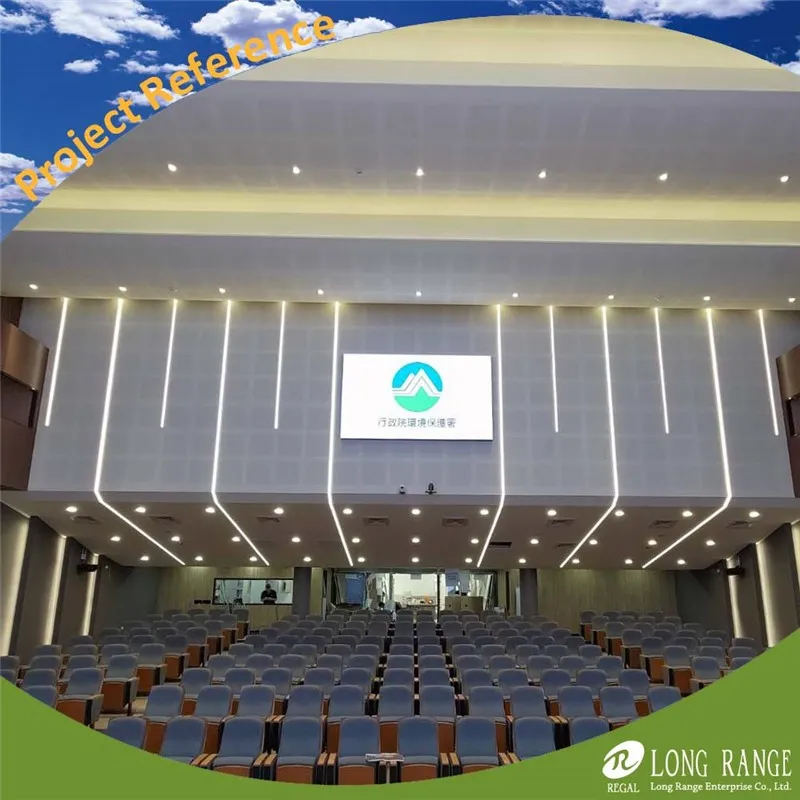
To minimize the impact of humidity on our 6mm round hole gypsum board, it's important to store the board in a dry environment before installation and to allow the board to acclimate to the humidity levels in the installation area before installing it. It's also a good idea to use a moisture-resistant gypsum board in areas where humidity levels are likely to be high, such as bathrooms and kitchens.
So, now that you know all about the thermal expansion coefficient of our 6mm round hole gypsum board, you might be wondering how this affects your decision to use it in your project. Well, the good news is that our gypsum board is designed to be durable and reliable, even in environments where temperatures and humidity levels can vary. By taking the thermal expansion coefficient into account and following the proper installation procedures, you can ensure that our gypsum board will perform well and look great for years to come.
If you're interested in using our Gypsum Board 6mm Round Hole in your project, I'd love to hear from you. We offer a wide range of gypsum board products, including different sizes, thicknesses, and hole patterns, to meet your specific needs. Whether you're a contractor, architect, or DIY enthusiast, we can help you find the right gypsum board for your project.
Just reach out to us to start a conversation about your requirements. We're here to answer any questions you might have and to help you make the best decision for your project. Let's work together to create a space that's not only beautiful but also functional and long-lasting.
References
- ASTM C1396/C1396M - 18, Standard Specification for Gypsum Board.
- Gypsum Association, Gypsum Board Installation Guide.
Send Inquiry