

What is the thickness of micro aluminium ceiling tiles?
Dec 25, 2025
Leave a message
Hey there! As a supplier of micro aluminium ceiling tiles, I often get asked about the thickness of these tiles. It's a crucial factor that can significantly impact the performance, durability, and overall look of your ceiling. So, let's dive right in and explore what the thickness of micro aluminium ceiling tiles is all about.
Why Thickness Matters
First off, why does the thickness of micro aluminium ceiling tiles matter? Well, it plays a vital role in several aspects. Thicker tiles tend to be more durable and can withstand more wear and tear. They're less likely to dent or bend, which is especially important in high - traffic areas or places where there might be some accidental impacts.
On the aesthetic side, thickness can affect the way the tiles look and feel. Thicker tiles can give a more substantial and luxurious appearance to your ceiling, while thinner ones might be more suitable for a lightweight and modern look.
Common Thickness Ranges
Micro aluminium ceiling tiles come in a variety of thicknesses. The most common thicknesses range from 0.3mm to 1.0mm.
Let's start with the thinner end of the spectrum. Tiles with a thickness of around 0.3mm - 0.5mm are relatively lightweight. They're great for applications where weight is a concern, like in older buildings where the ceiling structure might not be able to support heavy loads. These thinner tiles are also more flexible, which can be an advantage if you need to install them in curved or irregularly shaped ceilings.


For example, in a small art gallery, you might want to use 0.3mm thick micro aluminium ceiling tiles. They'll add a modern touch without putting too much stress on the ceiling, and their flexibility allows for creative installation designs.
Moving up to the middle range, tiles with a thickness of 0.6mm - 0.8mm are a popular choice for many commercial and residential projects. They offer a good balance between durability and weight. They're sturdy enough to handle normal use in offices, restaurants, and homes, but still light enough to be easy to install.
If you're renovating a restaurant, 0.7mm thick micro aluminium ceiling tiles would be a great option. They can withstand the hustle and bustle of a busy dining area, and they'll give the ceiling a clean and professional look.
At the thicker end, tiles with a thickness of 0.9mm - 1.0mm are the heavy - hitters. These are extremely durable and are often used in industrial settings or high - end commercial buildings. They can handle a lot of abuse and are resistant to scratches and dents.
For instance, in a large shopping mall, 1.0mm thick micro aluminium ceiling tiles would be ideal. They can endure the constant foot traffic and the occasional impact from cleaning equipment or moving displays.
How to Choose the Right Thickness
So, how do you decide which thickness is right for your project? Here are a few things to consider:
1. Ceiling Structure
As mentioned earlier, the strength of your ceiling structure is a key factor. If your ceiling is old or has limited load - bearing capacity, you'll want to go for thinner tiles. On the other hand, if your ceiling is new and robust, you can choose thicker tiles for added durability.
2. Location and Usage
Think about where the tiles will be installed and how they'll be used. High - traffic areas like airports or train stations will need thicker, more durable tiles. In contrast, a quiet bedroom in a home can get away with thinner tiles.
3. Aesthetic Preferences
Your personal or client's aesthetic preferences also play a role. If you're going for a sleek and minimalist look, thinner tiles might be the way to go. But if you want a more substantial and luxurious feel, thicker tiles will be more appropriate.
Installation Considerations
The thickness of the micro aluminium ceiling tiles can also affect the installation process. Thinner tiles are generally easier to cut and shape, which can save time during installation. They also require less support, so the installation might be simpler in terms of the framing.
However, thicker tiles, while more challenging to cut, can be more forgiving when it comes to alignment. They're less likely to warp or buckle during installation, which can result in a more professional - looking finish.
Our Product Offering
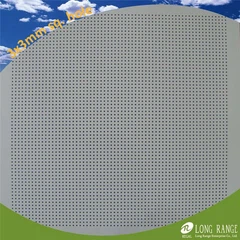
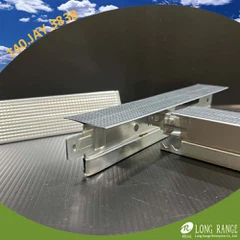
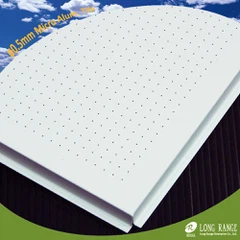
As a supplier of Micro Perforated Aluminium Ceiling Tile, we offer a wide range of thicknesses to meet your specific needs. Whether you're looking for the lightweight flexibility of 0.3mm tiles or the heavy - duty durability of 1.0mm tiles, we've got you covered.
We source our aluminium from high - quality suppliers and use advanced manufacturing techniques to ensure that our tiles are of the highest standard. Our team of experts can also provide you with advice on which thickness is best for your project, and we offer installation support to make sure everything goes smoothly.
Conclusion
In conclusion, the thickness of micro aluminium ceiling tiles is an important consideration that can have a big impact on your project. From the durability and aesthetic appeal to the installation process, every aspect is influenced by the thickness you choose.
If you're in the market for micro aluminium ceiling tiles, don't hesitate to reach out. We're here to help you find the perfect thickness and style for your needs. Whether it's a small home renovation or a large commercial project, we've got the products and expertise to make your ceiling look amazing.
References
- Aluminium Association Publications on Metal Ceiling Materials
- Industry reports on the use of micro aluminium ceiling tiles in different applications.
Send Inquiry