

Can 12.20.35mm round holes be made in ceramics?
Sep 12, 2025
Leave a message
Can 12.20.35mm round holes be made in ceramics? This is a question that many in the industry often ponder. As a supplier specializing in 12.20.35mm round holes, I am well - versed in this topic and eager to share my insights.
The Feasibility of Making 12.20.35mm Round Holes in Ceramics
Ceramics are known for their hardness, brittleness, and excellent chemical and thermal stability. These properties, while beneficial in many applications, also pose challenges when it comes to hole - making.
The size of the holes, specifically 12mm, 20mm, and 35mm round holes, is a crucial factor. Generally speaking, it is entirely possible to create such holes in ceramics, but it depends on several aspects.


Material and Composition of Ceramics
Different types of ceramics have different physical and mechanical properties. For example, alumina ceramics are extremely hard and wear - resistant. Making holes in them requires advanced machining techniques. On the other hand, zirconia ceramics, which have better toughness, may be a bit more forgiving during the hole - making process. The composition of the ceramic, including the presence of impurities and additives, can also affect the ease of hole - making.
Machining Techniques
There are several methods available for making round holes in ceramics.
Diamond Drilling: This is one of the most common methods. Diamond - tipped drill bits are used because diamond is the hardest known material. The drill bit rotates at high speed and gradually cuts through the ceramic. However, the feed rate and rotational speed need to be carefully controlled to avoid cracking or chipping of the ceramic. For larger holes like 20mm and 35mm, multiple passes may be required to ensure a smooth and accurate hole.
Laser Drilling: Laser drilling is a non - contact method. A high - energy laser beam is focused on the ceramic surface, melting and vaporizing the material to create a hole. This method is particularly suitable for making precise holes in ceramics. It can achieve high - quality holes with minimal damage to the surrounding area. However, laser drilling equipment is expensive, and the process may generate heat, which could potentially cause thermal stress in the ceramic.
Ultrasonic Machining: Ultrasonic machining uses a tool vibrating at ultrasonic frequencies and an abrasive slurry. The vibrating tool transfers the energy to the abrasive particles in the slurry, which then erode the ceramic material. This method is suitable for ceramics with complex shapes and can produce holes with good surface finish. But it is a relatively slow process and may not be cost - effective for mass production.
Applications of Ceramics with 12.20.35mm Round Holes
The ability to make 12.20.35mm round holes in ceramics opens up a wide range of applications.
Electronic Industry
In the electronic industry, ceramics are often used as substrates. Holes of these sizes can be used for mounting components, routing wires, or for heat dissipation. For example, in some high - power electronic devices, ceramic substrates with holes can help to improve the overall thermal management of the device.
Filtration and Separation
Ceramic filters with 12.20.35mm round holes can be used for filtering liquids or gases. The size of the holes determines the filtration efficiency and the type of particles that can be filtered. These filters are widely used in chemical, pharmaceutical, and food industries.
Mechanical Engineering
In mechanical engineering, ceramic parts with holes are used for various purposes. They can be used as bearings, bushings, or as parts of a larger assembly. The hardness and wear - resistance of ceramics make them ideal for applications where high strength and long - term durability are required.
Our Offerings as a 12.20.35mm Round Holes Supplier
As a supplier, we understand the importance of quality and precision when it comes to making 12.20.35mm round holes in ceramics. We have a team of experienced engineers and technicians who are well - trained in the latest ceramic machining techniques.
We offer a wide range of ceramic materials, including alumina, zirconia, and silicon carbide. Depending on your specific requirements, we can recommend the most suitable material for your application.
Our manufacturing process is highly controlled. We use advanced CNC machining centers and precision measuring equipment to ensure that the holes are made to the exact specifications. Whether you need a small batch for prototyping or a large - scale production run, we have the capacity to meet your needs.
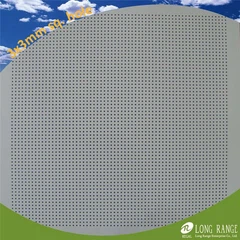
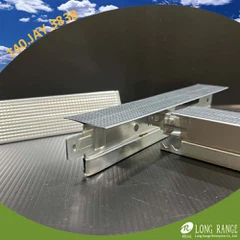
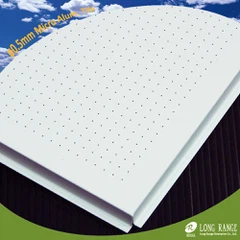
In addition to ceramics, we also supply Gypsum Board 12/20/35R Round Hole. Gypsum boards with these round holes are widely used in construction for acoustic and decorative purposes.
Why Choose Us
- Quality Assurance: We have a strict quality control system in place. Every product is inspected thoroughly before it leaves our factory to ensure that it meets the highest standards.
- Customization: We understand that each customer may have unique requirements. We offer customized solutions, from the choice of ceramic material to the size and shape of the holes.
- Competitive Pricing: We strive to offer competitive prices without compromising on quality. Our efficient production process and strong supply chain management allow us to keep our costs down.
- Technical Support: Our technical team is always ready to provide support and advice. Whether you have questions about the machining process or the application of our products, we are here to help.
Contact Us for Procurement and Negotiation
If you are interested in our products, whether it is ceramics with 12.20.35mm round holes or Gypsum Board 12/20/35R Round Hole, we encourage you to contact us for procurement and negotiation. We are committed to providing you with the best products and services. Let's work together to find the perfect solution for your needs.
References
- "Ceramics: Structure, Properties, Processing and Applications" by J. Reed
- "Machining of Advanced Ceramics" by S. Paul
- "Handbook of Ceramic Materials" edited by M. Barsoum
Send Inquiry