

How to seal a 3mm square hole?
Sep 15, 2025
Leave a message
As a supplier specializing in 3mm square holes, I've encountered numerous inquiries about how to seal these small yet significant apertures. Whether it's for aesthetic, functional, or safety reasons, sealing a 3mm square hole requires a thoughtful approach. In this blog post, I'll share some effective methods and considerations to help you achieve a successful seal.
Understanding the Context of 3mm Square Holes
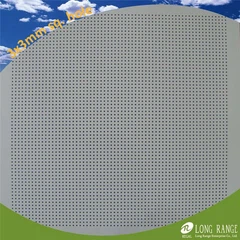
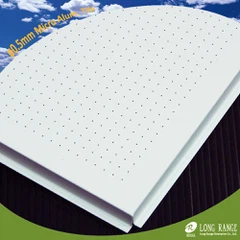
Before delving into the sealing methods, it's essential to understand the common applications of 3mm square holes. These holes are often found in various materials such as metal sheets, plastic panels, and Gypsum Board 3x3mm Square Hole. They can serve purposes like ventilation, drainage, or as part of a decorative pattern. The material of the hole and the surrounding area will significantly influence the choice of sealing method.


Factors to Consider Before Sealing
- Material Compatibility: Different materials require different sealing agents. For example, sealing a hole in a metal surface might call for a different adhesive than sealing a hole in a plastic or gypsum board. Ensure that the sealing material you choose is compatible with the base material to avoid any chemical reactions or damage.
- Purpose of Sealing: Are you sealing the hole to prevent the entry of dust, moisture, or pests? Or is it for aesthetic reasons, to create a smooth and uniform surface? The purpose will determine the type of sealant and the level of precision required.
- Environmental Conditions: Consider the environment where the hole is located. If it's exposed to high temperatures, humidity, or chemicals, the sealant needs to be able to withstand these conditions without deteriorating.
Sealing Methods for 3mm Square Holes
1. Using Adhesive Sealants
- Epoxy Resin: Epoxy resin is a popular choice for sealing small holes in various materials. It offers excellent adhesion, high strength, and good chemical resistance. Mix the epoxy resin according to the manufacturer's instructions, and use a small applicator to fill the 3mm square hole. Smooth the surface with a putty knife or a flat tool. Epoxy resin takes some time to cure, so be patient and avoid disturbing the seal until it's fully set.
- Silicone Sealant: Silicone sealant is flexible, waterproof, and resistant to temperature changes. It's suitable for sealing holes in materials like plastic, glass, and metal. Apply the silicone sealant directly into the hole using a caulking gun. Use a wet finger or a tool to smooth the surface and remove any excess sealant. Silicone sealant typically cures within 24 hours.
2. Plugging with Suitable Materials
- Plastic Plugs: There are various types of plastic plugs available in the market that can be used to fill 3mm square holes. These plugs are easy to install and provide a neat and clean finish. Simply insert the plug into the hole and press it firmly until it fits snugly. Plastic plugs are available in different colors, allowing you to match them with the surrounding material for a more aesthetically pleasing result.
- Metal Inserts: For holes in metal surfaces, metal inserts can be a durable solution. These inserts are designed to fit precisely into the 3mm square hole and can be secured using a press or a hammer. Metal inserts offer good strength and can withstand high pressures and mechanical stress.
3. Patching with Similar Materials
- Gypsum Patching: If the hole is in a gypsum board, you can use a gypsum patching compound to seal it. Mix the patching compound according to the instructions and apply it to the hole using a putty knife. Smooth the surface and let it dry. Once dry, sand the patched area to make it level with the surrounding surface. You can then paint or finish the area as desired.
- Metal Patching: For holes in metal sheets, you can cut a small piece of the same metal and weld or solder it over the hole. This method requires some skill and the appropriate tools, but it provides a strong and permanent seal.
Step-by-Step Guide to Sealing a 3mm Square Hole
- Prepare the Surface: Clean the area around the hole to remove any dirt, dust, or debris. This will ensure better adhesion of the sealant or plug.
- Choose the Sealing Method: Based on the factors mentioned above, select the most suitable sealing method for your specific situation.
- Apply the Sealant or Plug: Follow the instructions for the chosen sealing method. Whether it's applying an adhesive sealant, inserting a plug, or patching with a similar material, make sure to do it carefully and precisely.
- Smooth the Surface: After applying the sealant or plug, use a tool or your finger to smooth the surface and remove any excess material. This will give the sealed area a neat and professional look.
- Let it Cure: Allow the sealant or plug to cure completely according to the manufacturer's instructions. This may take a few hours to a few days, depending on the type of material used.
- Inspect the Seal: Once the seal is cured, inspect it to ensure that it's tight and there are no gaps or leaks. If necessary, make any adjustments or touch-ups.
Troubleshooting Common Issues
- Poor Adhesion: If the sealant or plug doesn't adhere properly to the surface, it could be due to a dirty or oily surface. Clean the area thoroughly and try again. You may also need to use a primer to improve adhesion.
- Cracking or Shrinking: Some sealants may crack or shrink as they cure. This can be caused by improper mixing, applying too thick a layer, or using a low-quality sealant. Follow the manufacturer's instructions carefully and use a high-quality product.
- Uneven Surface: If the sealed area is not level with the surrounding surface, you can sand it down to make it smooth. Be careful not to sand too much and damage the surrounding material.
Conclusion
Sealing a 3mm square hole may seem like a small task, but it requires attention to detail and the right approach. By considering the material, purpose, and environmental conditions, and choosing the appropriate sealing method, you can achieve a successful seal that meets your needs. As a supplier of 3mm square holes, I'm always here to provide you with the best products and advice. If you have any questions or need assistance with your sealing project, don't hesitate to contact me for further discussion and potential procurement.
References
- "Handbook of Adhesives and Sealants" by CRC Press
- "Materials Science and Engineering: An Introduction" by William D. Callister Jr. and David G. Rethwisch
Send Inquiry