

Can Gypsum Board 8mm Round Hole be used for ceiling installation?
Jul 04, 2025
Leave a message
As a supplier of Gypsum Board 8mm Round Hole, I often get asked whether this particular type of gypsum board can be used for ceiling installation. In this blog post, I'll delve into the characteristics of Gypsum Board 8mm Round Hole and explore its suitability for ceiling applications.
Understanding Gypsum Board 8mm Round Hole
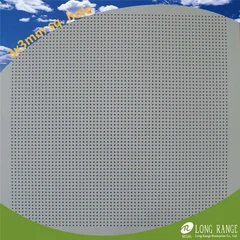
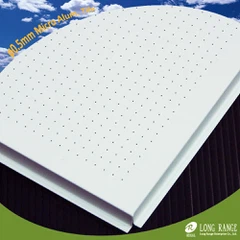
Gypsum board, also known as drywall or plasterboard, is a widely used building material made of gypsum plaster pressed between two thick sheets of paper. The Gypsum Board 8mm Round Hole is a specialized type that features evenly spaced 8mm round holes across its surface. These holes are not just for aesthetic purposes; they serve several important functions.
One of the primary benefits of the perforated design is its acoustic performance. The 8mm round holes allow sound waves to penetrate the board and be absorbed by the air within the gypsum core, reducing echo and reverberation in a room. This makes it an excellent choice for spaces where good acoustics are desired, such as auditoriums, theaters, conference rooms, and even home theaters.
In addition to its acoustic properties, the perforated design also offers some ventilation advantages. The holes allow air to circulate through the board, which can help prevent the buildup of moisture and reduce the risk of mold and mildew growth. This is particularly important in areas with high humidity, such as bathrooms and kitchens.
Suitability for Ceiling Installation
Now, let's address the question at hand: Can Gypsum Board 8mm Round Hole be used for ceiling installation? The answer is a resounding yes, but there are a few factors to consider.
Structural Integrity
One of the main concerns when using any type of gypsum board for ceiling installation is its structural integrity. Gypsum Board 8mm Round Hole is typically available in standard thicknesses, such as 9.5mm or 12.5mm, which are suitable for most ceiling applications. However, it's important to ensure that the board is properly supported and installed according to the manufacturer's recommendations.
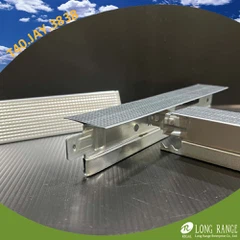
When installing Gypsum Board 8mm Round Hole on a ceiling, it's recommended to use a grid system or a series of furring strips to provide additional support. This will help prevent the board from sagging or bowing over time, especially in areas with high humidity or heavy loads.
Aesthetic Considerations
The perforated design of Gypsum Board 8mm Round Hole can add a unique and modern look to a ceiling. However, it's important to consider the overall aesthetic of the space and how the perforated pattern will complement the existing decor.
In some cases, the perforated pattern may be too bold or distracting for a particular space. In these situations, it may be possible to use a solid gypsum board on the ceiling and incorporate the perforated board as an accent feature, such as a ceiling panel or a soffit.
Acoustic Requirements
As mentioned earlier, one of the main advantages of Gypsum Board 8mm Round Hole is its acoustic performance. If the primary goal of the ceiling installation is to improve the acoustics of a room, then this type of gypsum board is an excellent choice.

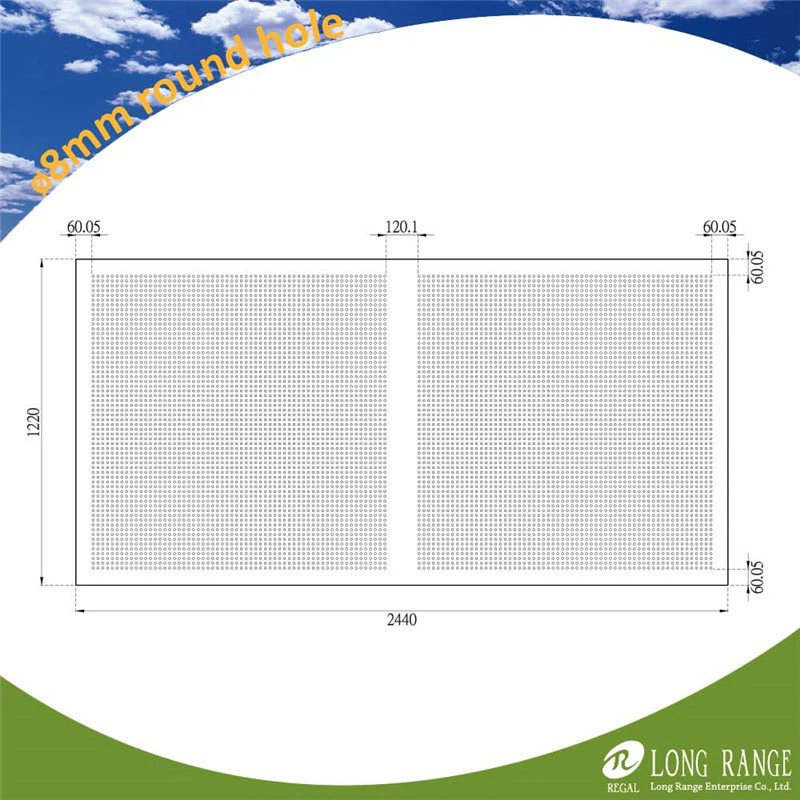
However, it's important to note that the acoustic performance of the board will depend on several factors, including the size and spacing of the holes, the thickness of the board, and the type of insulation used behind the board. It's recommended to consult with an acoustic engineer or a professional installer to determine the best configuration for your specific needs.
Installation Process
The installation process for Gypsum Board 8mm Round Hole is similar to that of traditional gypsum board. Here are the general steps involved:
- Prepare the Surface: Ensure that the ceiling surface is clean, dry, and free of any debris or obstructions. If necessary, install a grid system or furring strips to provide additional support.
- Measure and Cut the Board: Measure the dimensions of the ceiling and cut the Gypsum Board 8mm Round Hole to the appropriate size using a utility knife or a drywall saw.
- Install the Board: Apply a thin layer of adhesive to the back of the board and press it firmly against the ceiling surface. Use drywall screws to secure the board to the grid system or furring strips, spacing the screws approximately 12 inches apart.
- Finish the Edges: Use joint compound to fill in the gaps between the boards and smooth out the edges. Apply a second coat of joint compound and sand the surface to create a smooth, even finish.
- Paint or Finish the Board: Once the joint compound has dried, you can paint or finish the Gypsum Board 8mm Round Hole to match the desired aesthetic of the space.
Maintenance and Care
Gypsum Board 8mm Round Hole is relatively easy to maintain and care for. Here are some tips to keep your ceiling looking its best:
- Clean Regularly: Use a soft, dry cloth or a vacuum cleaner with a soft brush attachment to remove dust and debris from the surface of the board.
- Avoid Moisture: Gypsum board is susceptible to moisture damage, so it's important to avoid exposing the board to excessive moisture or humidity. If you notice any signs of water damage, such as discoloration or warping, it's important to address the issue immediately to prevent further damage.
- Repair Damages Promptly: If the board is damaged, such as by a puncture or a scratch, it's important to repair the damage as soon as possible to prevent the spread of the damage and maintain the structural integrity of the board.
Conclusion
In conclusion, Gypsum Board 8mm Round Hole can be a great choice for ceiling installation, especially in spaces where good acoustics and ventilation are desired. However, it's important to consider the structural integrity, aesthetic considerations, and acoustic requirements of the space before making a decision.
If you're interested in learning more about Gypsum Board 8mm Round Hole or have any questions about its suitability for your ceiling installation project, please don't hesitate to contact us for procurement discussions. We're here to help you make the best decision for your needs.
References
- Building Materials Handbook, 5th Edition
- Gypsum Association Technical Manual
Send Inquiry