

Can Gypsum Board 8mm Round Hole be used outdoors?
Oct 23, 2025
Leave a message
Hey there! As a supplier of Gypsum Board 8mm Round Hole, I often get asked whether this type of gypsum board can be used outdoors. It's a valid question, and in this blog, I'm gonna break it down for you.

What is Gypsum Board 8mm Round Hole?
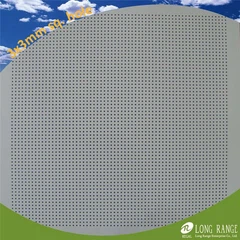
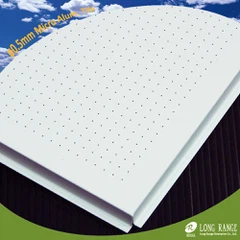
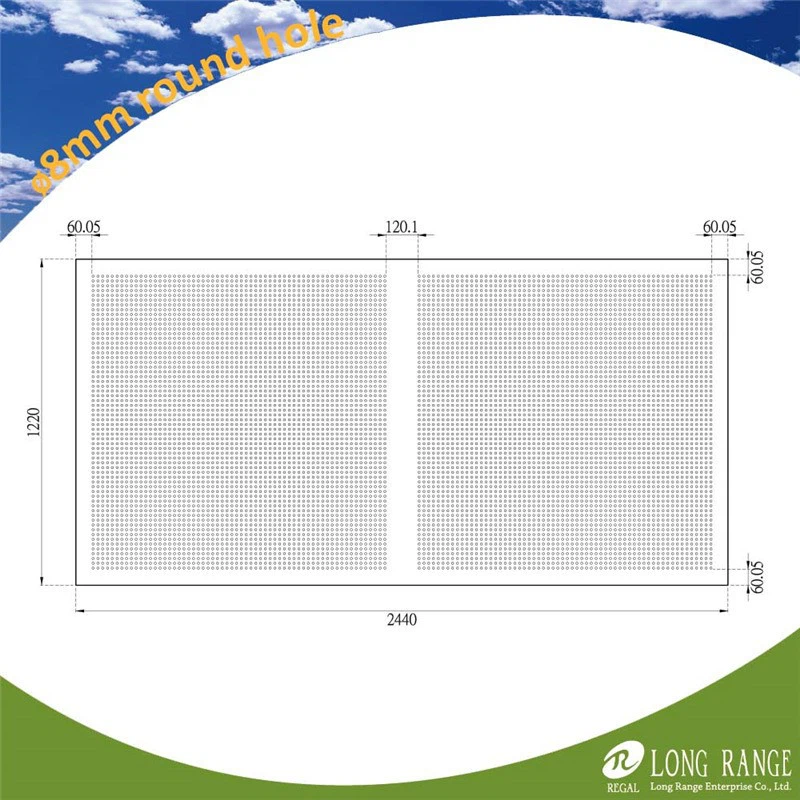
First off, let me quickly explain what Gypsum Board 8mm Round Hole is. It's a type of gypsum board that has been perforated with 8mm round holes. These holes can serve various purposes, like improving acoustics in a room by absorbing sound waves. It's commonly used in interior applications such as offices, theaters, and homes to create a more pleasant sound environment. The board is made of gypsum, a soft sulfate mineral composed of calcium sulfate dihydrate. It's known for its fire - resistance, ease of installation, and relatively low cost.
The Ideal Indoor Environment for Gypsum Board 8mm Round Hole
In an indoor setting, this gypsum board shines. The controlled environment inside buildings means that the board is protected from the elements. Temperature and humidity levels are usually stable, which is great for the gypsum board. Gypsum is a porous material, and in a stable indoor environment, it can maintain its structural integrity over time. The perforations also work well indoors. They can help in reducing echo and noise, making the space more comfortable for people inside. For example, in a conference room, the 8mm round holes can absorb the sound of people talking, preventing it from bouncing around the room and causing a din.
Challenges of Using Gypsum Board 8mm Round Hole Outdoors
Now, let's talk about the challenges of using this board outdoors. The biggest issue is moisture. Outdoors, the board is exposed to rain, snow, and high humidity. Gypsum absorbs water easily, and when it does, it can start to deteriorate. The board may become soft, lose its strength, and eventually fall apart. Even if the board is painted or coated, the perforations can still allow water to seep in, which can lead to mold and mildew growth.
Another problem is temperature fluctuations. Outdoors, the temperature can vary greatly between day and night, and from season to season. Gypsum expands and contracts with temperature changes. These constant expansions and contractions can cause the board to crack, especially around the perforations. The 8mm round holes can act as stress points, making the board more prone to damage.
UV radiation is also a concern. The sun's ultraviolet rays can break down the gypsum over time. This can cause the board to discolor, become brittle, and lose its structural integrity. Unlike some outdoor - rated building materials, gypsum board is not designed to withstand long - term exposure to UV light.
Possible Solutions for Outdoor Use
Despite these challenges, there are some possible solutions if you really want to use Gypsum Board 8mm Round Hole outdoors. One option is to use a high - quality waterproof coating. There are special coatings available in the market that can create a barrier between the gypsum board and the moisture. However, these coatings need to be applied carefully and regularly maintained. If the coating gets damaged, water can still penetrate the board.
You can also install the board in a sheltered area. For example, if it's under a porch or an overhang, it will be protected from direct rain and snow. But it will still be exposed to some moisture and temperature changes, so you need to be aware of that.
Another solution is to use the board in combination with other materials. You can back it with a more weather - resistant material like plywood or metal. This can provide additional support and protection to the gypsum board.
Case Studies
I've come across a few cases where people have tried to use Gypsum Board 8mm Round Hole outdoors. In one instance, a customer installed the board on a patio that was partially covered. They used a waterproof coating on the board. Initially, it looked great, and the perforations added a nice aesthetic touch. However, after a few months of heavy rain, they noticed that the board was starting to warp in some areas. The coating had also started to peel off in places, allowing water to seep in.
On the other hand, I know of a project where the board was installed under a large overhang and backed with plywood. The area was relatively dry, and the combination of the plywood and the gypsum board seemed to work well. The board maintained its appearance and functionality for a longer period, but they still had to keep an eye on it for any signs of damage.
Conclusion
So, can Gypsum Board 8mm Round Hole be used outdoors? It's possible, but it's not without its challenges. If you're considering using it outdoors, you need to carefully weigh the pros and cons. You have to be prepared to take extra steps to protect the board from moisture, temperature changes, and UV radiation.
If you're still interested in using this board for your project, whether it's indoor or you're willing to take the risk outdoors, I'd love to talk to you. I can provide you with more information about the product, including its specifications and pricing. Just reach out to me, and we can start a conversation about your needs.
References
- Building Materials Handbook: Covers general information about gypsum and its properties.
- Acoustic Design Guidelines: Provides details on the use of perforated boards for sound absorption.
- Outdoor Building Materials Research: Contains studies on the durability of different materials in outdoor environments.
Send Inquiry