


What is the coolant flow rate when drilling a 15mm round hole?
Jul 10, 2025
Leave a message
Hey there! I'm a supplier of 15mm round holes. Today, I wanna chat about something super important when it comes to drilling these 15mm round holes - the coolant flow rate.
So, what exactly is the coolant flow rate when drilling a 15mm round hole? Well, it's not a one - size - fits - all answer. There are a bunch of factors that can influence this flow rate.
First off, the material you're drilling into plays a huge role. If you're drilling into a soft material like aluminum, you won't need as high a coolant flow rate as when you're dealing with a hard material like stainless steel. Aluminum is much easier to cut through, and less heat is generated during the drilling process. So, a lower coolant flow rate can be sufficient to keep the drill bit cool and flush away the chips. On the other hand, stainless steel is a tough nut to crack. The high - strength properties of stainless steel cause a lot of heat to build up at the drill - work interface. A higher coolant flow rate is necessary to dissipate this heat and prevent the drill bit from overheating and wearing out quickly.
The type of drill bit you're using also matters. Different drill bits have different geometries and cutting edge designs. For example, a standard twist drill bit might require a different coolant flow rate compared to a carbide - tipped drill bit. Carbide - tipped drill bits are more heat - resistant and can handle higher cutting speeds, but they still need an appropriate amount of coolant to keep the cutting edges sharp and reduce friction.
Now, let's talk about some general guidelines. When drilling a 15mm round hole in mild steel, a good starting point for the coolant flow rate could be around 10 - 15 liters per minute. This flow rate helps to cool the drill bit and carry away the chips efficiently. However, if you're increasing the cutting speed or using a more aggressive feed rate, you'll probably need to bump up the coolant flow rate to 15 - 20 liters per minute.
For drilling in plastics, you can get away with a much lower coolant flow rate, maybe around 5 - 8 liters per minute. Plastics don't generate as much heat as metals, and too much coolant can actually cause issues like swelling or cracking in some cases.
Another aspect to consider is the coolant type. There are different types of coolants available, such as water - based coolants and oil - based coolants. Water - based coolants are more common because they're cost - effective and environmentally friendly. They are great at dissipating heat, but they might not provide as much lubrication as oil - based coolants. Oil - based coolants, on the other hand, offer better lubrication, which can reduce friction and wear on the drill bit. But they can be more expensive and require proper disposal.
If you're using a water - based coolant, you need to make sure the concentration is correct. A too - weak solution might not provide enough cooling and lubrication, while a too - strong solution can lead to issues like corrosion on the machine parts.
I've been in the business of supplying 15mm round holes for a while now, and I've seen firsthand how getting the coolant flow rate right can make a huge difference in the quality of the drilled holes. A proper coolant flow rate can improve the surface finish of the hole, extend the life of the drill bit, and increase the overall productivity of the drilling process.
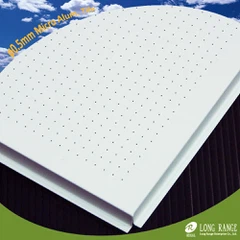
At our place, we understand the importance of these technical details. Whether you're working on a small DIY project or a large - scale industrial production, we've got the 15mm round holes you need. And if you're interested in Gypsum Board 15mm Round Hole, we can offer you high - quality products that meet your specific requirements.


We also know that sometimes, you might have questions about the drilling process. Maybe you're not sure what the best coolant flow rate is for your particular application. That's where our expertise comes in. We can provide you with advice and guidance to ensure that you get the best results when drilling those 15mm round holes.
If you're looking for a reliable supplier of 15mm round holes, we're here for you. Whether it's for a construction project, a manufacturing job, or any other use, we can supply you with the right products at a competitive price. And if you have any questions or want to discuss your specific needs, don't hesitate to reach out. We're always happy to have a chat and help you find the best solutions for your projects.
In conclusion, the coolant flow rate when drilling a 15mm round hole depends on multiple factors like the material, drill bit type, cutting parameters, and coolant type. By understanding these factors and following some general guidelines, you can optimize the drilling process and achieve better results. So, if you're in the market for 15mm round holes or have any related questions, feel free to contact us. We're ready to assist you in any way we can.
References
- Machinery's Handbook, 31st Edition
- Various industry research papers on drilling operations and coolant management
Send Inquiry