

What materials are ceiling grids made of?
Jun 17, 2025
Leave a message
Ceiling grids are an essential component in modern interior design, providing both functional support and aesthetic appeal to a space. As a ceiling grid supplier, I've had the privilege of working with a wide range of materials, each with its unique properties, advantages, and applications. In this blog, I'll delve into the various materials used to make ceiling grids, helping you understand which one might be the best fit for your project.

Metal Ceiling Grids
Metal is one of the most popular materials for ceiling grids due to its durability, strength, and versatility. There are several types of metals commonly used in ceiling grid manufacturing, including steel and aluminum.
Steel Ceiling Grids
Steel is a robust and reliable material that can withstand heavy loads and is resistant to deformation. It is often used in commercial and industrial settings where durability is a top priority. Steel ceiling grids are typically galvanized or powder-coated to prevent corrosion, ensuring a long lifespan even in harsh environments.
The strength of steel allows for larger spans between supports, which can be advantageous in open - plan spaces. It also provides a stable framework for hanging heavy ceiling panels, such as acoustic tiles or large decorative elements. However, steel is heavier than some other materials, which may require additional structural support during installation.
Aluminum Ceiling Grids
Aluminum is a lightweight alternative to steel, making it easier to handle and install. It is highly resistant to corrosion, even in humid or coastal environments, without the need for additional coatings. This makes aluminum ceiling grids a popular choice for areas such as bathrooms, kitchens, and outdoor patios.
Aluminum can be easily formed into various shapes and profiles, offering more design flexibility. It also has good conductivity, which can be beneficial in certain applications where electrical grounding or heat dissipation is required. Despite its light weight, aluminum ceiling grids are still strong enough to support a variety of ceiling panels, including those made of gypsum, fiberglass, or metal.
Plastic Ceiling Grids
Plastic ceiling grids are another option, offering a cost - effective and lightweight solution. They are typically made from polyvinyl chloride (PVC) or acrylonitrile butadiene styrene (ABS).
PVC Ceiling Grids
PVC is a widely used plastic material known for its affordability, durability, and ease of installation. PVC ceiling grids are resistant to moisture, making them suitable for areas with high humidity, such as basements and laundry rooms. They are also available in a variety of colors and finishes, allowing for customization to match different interior design styles.
PVC ceiling grids are easy to clean and maintain, as they can be wiped down with a damp cloth. However, they may not be as strong as metal grids and may not be suitable for supporting heavy ceiling panels. They can also be prone to warping or cracking if exposed to extreme temperatures.
ABS Ceiling Grids
ABS is a stronger and more impact - resistant plastic than PVC. It has better dimensional stability, meaning it is less likely to warp or deform over time. ABS ceiling grids are often used in high - traffic areas or where there is a risk of physical damage, such as in schools, hospitals, and shopping malls.
Like PVC, ABS can be molded into various shapes and colors, providing design options for different applications. It also has good chemical resistance, making it suitable for use in laboratories or other areas where exposure to chemicals may occur.
Wood Ceiling Grids
Wood ceiling grids offer a warm and natural aesthetic that can add a touch of elegance to any space. They are typically made from hardwoods such as oak, maple, or cherry, or softwoods like pine or cedar.
Hardwood ceiling grids are known for their strength and durability. They can be stained or painted to match the interior decor, and their natural grain patterns add a unique visual appeal. However, hardwoods are more expensive than softwoods and may require more maintenance to prevent scratches and dents.
Softwood ceiling grids are more affordable and easier to work with. They are often used in rustic or traditional - style interiors. Softwoods can be treated to improve their resistance to moisture and insects, but they may not be as long - lasting as hardwoods in high - wear areas.
Fiberglass Ceiling Grids
Fiberglass ceiling grids are made from a combination of glass fibers and resin. They are lightweight, strong, and have excellent acoustic properties. Fiberglass can be used to create ceiling grids with complex shapes and patterns, making them a popular choice for architectural designs.
Fiberglass ceiling grids are resistant to fire, which is an important safety feature in many commercial and public buildings. They also have good insulation properties, helping to reduce energy costs by preventing heat transfer. However, fiberglass can be brittle and may require careful handling during installation to avoid breakage.
Gypsum - Related Ceiling Grids
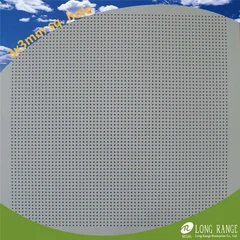
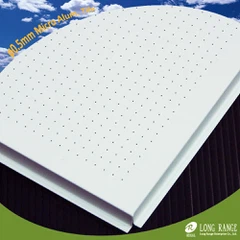
Gypsum is a widely used material in the construction industry, and it can also be incorporated into ceiling grid systems. For instance, there are ceiling grids designed to support gypsum boards. You can find high - quality Gypsum Board 5x5mm Square Hole ZEST and CHECKER and Gypsum Board 3x3mm Square Hole which can be paired with suitable ceiling grids.
Gypsum is known for its fire - resistance and acoustic properties. It can help to improve the overall safety and comfort of a space. Ceiling grids that work with gypsum boards need to be strong enough to support the weight of the boards, which are relatively heavy compared to some other ceiling panel materials.
Choosing the Right Material
When choosing a material for your ceiling grid, several factors need to be considered. The first is the intended use of the space. For example, in a commercial office building, durability and fire - resistance may be the top priorities, making metal or fiberglass ceiling grids a good choice. In a residential living room, aesthetics and cost may be more important, so a plastic or wood ceiling grid could be suitable.
The environmental conditions of the space also play a role. Humid areas require materials that are resistant to moisture, such as aluminum or PVC. Areas with a high risk of physical damage may benefit from the strength of steel or ABS plastic.
Budget is another crucial factor. Metal and wood ceiling grids are generally more expensive than plastic or fiberglass, but they may offer better long - term value due to their durability.
Our Product Offerings
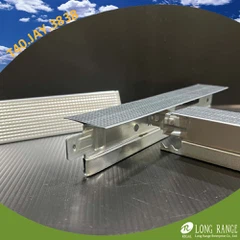
As a ceiling grid supplier, we offer a wide range of ceiling grids made from different materials to meet the diverse needs of our customers. Our Suspended Ceiling Grid T24 MT33h CT25h is available in both steel and aluminum options, providing strong and reliable support for various ceiling panels. Whether you need a grid for a small residential project or a large commercial development, we have the expertise and products to help you achieve your design goals.
If you're unsure which material is best for your project, our team of experts is ready to assist you. We can provide detailed information about the properties, installation requirements, and cost of each material, helping you make an informed decision.
Contact Us for Procurement
We understand that choosing the right ceiling grid is an important decision for your project. If you're interested in learning more about our products or would like to discuss your specific requirements, we encourage you to contact us. Our dedicated sales team is available to answer your questions, provide samples, and assist you with the procurement process. Let us work together to create a beautiful and functional ceiling for your space.
References
- "Building Construction Handbook" by Edward Allen and Joseph Iano.
- "Materials for Architecture and Construction" by John M. W. Brown.
- Industry research reports on ceiling grid materials and market trends.
Send Inquiry