


The difference between paper-faced gypsum board and perforated gypsum board
Oct 05, 2024
Leave a message
1. The production process and characteristics of paper-faced gypsum board
Paper-faced gypsum board, also known as ordinary gypsum board, is made of gypsum as the main raw material, added with additives, and covered with paper on the surface. The main feature is high flatness, suitable for indoor decoration walls, ceilings and other scenes. The production process is simple and the price is relatively low. It is one of the commonly used materials in building decoration. Paper-faced gypsum board usually has two types: normal horizontal surface and green paper surface with better moisture resistance.
2. The production process and characteristics of perforated gypsum board
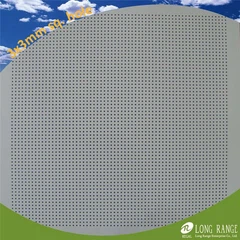
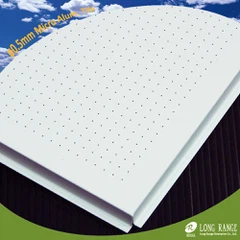
Perforated gypsum board is made of the same raw materials, but it is made by perforating the surface during the production process. There are various regular holes or patterns on the surface of perforated gypsum board, which can not only increase the beauty, but also play a role in sound absorption and noise reduction. The price of perforated gypsum board is relatively higher, but it is widely used in some occasions such as concert halls, cinemas, multi-purpose halls and other places where noise control needs to be considered.
3. The difference in the application scenarios of the two types of gypsum boards
Paper-faced gypsum boards are suitable for ordinary homes, offices, schools and other places. Because of their low production cost and smooth surface, they can be painted with various coatings in subsequent construction, and they are more beautiful. Perforated gypsum boards are suitable for places with high noise control requirements, such as cinemas, concert halls, recording studios, etc. The regular small holes on the surface of perforated gypsum boards can effectively absorb noise and provide high-quality sound effects.
In short, paper-faced gypsum boards and perforated gypsum boards are common building decoration materials, and there are certain differences in production processes, applicable scenarios, etc. Understanding the characteristics of the two materials will help to make material selection more scientific and reasonable.
Send Inquiry