


What precautions should be taken when making a 3mm square hole in a thin material?
Aug 28, 2025
Leave a message
When it comes to making a 3mm square hole in a thin material, there are numerous precautions that one must take into account. As a trusted 3mm square hole supplier, I've witnessed firsthand the importance of these steps in ensuring a successful outcome. In this blog, I'll delve into the key considerations to keep in mind during this process.
Material Selection and Preparation
The first and perhaps most crucial step is choosing the right thin material. Different materials have distinct properties that can significantly affect the hole - making process. For instance, metals like aluminum and copper are malleable but can quickly dull cutting tools if not handled properly. Plastics, on the other hand, may melt around the hole edges due to the heat generated during the cutting process.
Before starting the hole - making operation, the material should be thoroughly cleaned. Any dirt, grease, or debris on the surface can interfere with the accuracy of the hole and may also cause premature wear of the tools. Additionally, the material should be properly secured. A loose or unstable material can lead to uneven holes, which not only affects the aesthetic appeal but also the functionality of the final product.
Tool Selection
Selecting the appropriate tool for making a 3mm square hole is essential. There are several options available, each with its own advantages and limitations.
End Mills
End mills are a popular choice for making square holes in thin materials. They come in various sizes and coatings, which can be selected based on the material being used. For softer materials like wood or plastic, a high - speed steel end mill may suffice. However, for harder metals, a carbide - coated end mill is recommended as it can withstand the high cutting forces and maintain its sharpness for a longer time.
Punching Tools
Punching is another method for creating square holes. Punching tools are relatively fast and can produce clean holes. However, they require a significant amount of force, especially when dealing with thicker thin materials. The punch and die set must be precisely matched to the 3mm square size to ensure a proper fit. If the punch is too large, it can cause the material to deform around the hole. If it's too small, the hole may not be fully formed.
Laser Cutting
Laser cutting is a highly precise method for making square holes in thin materials. It uses a focused laser beam to melt or vaporize the material, creating a clean and accurate hole. Laser cutting is suitable for a wide range of materials, including metals, plastics, and composites. However, it can be an expensive option, and proper safety precautions must be taken due to the high - intensity laser beam.
Safety Precautions
Safety should always be a top priority when making 3mm square holes in thin materials. Here are some important safety measures to follow:
Personal Protective Equipment (PPE)
Wearing appropriate PPE is essential. Safety glasses should be worn to protect the eyes from flying debris. Gloves can protect the hands from sharp edges and hot materials. If using power tools, ear protection may also be necessary to prevent hearing damage from the high - pitched noise.
Machine Safety
If using a machine such as a milling machine or a laser cutter, all safety guards should be in place. These guards are designed to prevent accidental contact with moving parts or the laser beam. Before starting the machine, make sure it is properly calibrated and maintained. Regular maintenance can prevent malfunctions that may lead to accidents.
Fire and Hazardous Material Precautions
When using certain methods like laser cutting or working with flammable materials, fire safety is crucial. Keep a fire extinguisher nearby and ensure that the work area is well - ventilated. Some materials may release harmful fumes during the cutting process, so proper ventilation can help remove these fumes and protect the operator's health.
Precision and Quality Control
To ensure the quality of the 3mm square holes, precision is key. Here are some ways to maintain precision:
Measuring Tools
Use accurate measuring tools such as calipers or micrometers to check the size of the holes. The holes should be within the specified tolerance range. For most applications, a tolerance of ±0.1mm may be acceptable, but this can vary depending on the requirements of the final product.
Test Runs
Before starting a large - scale production, it's advisable to perform test runs on a sample piece of the material. This allows you to adjust the cutting parameters and ensure that the holes are being made correctly. Any issues can be identified and resolved during the test run, saving time and materials in the long run.
Inspection
Regular inspection of the holes is necessary throughout the production process. Look for any signs of burrs, uneven edges, or misaligned holes. Burrs can be removed using deburring tools, which can improve the overall appearance and functionality of the holes.
Application - Specific Considerations
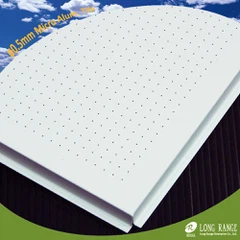
The precautions may also vary depending on the application of the material with 3mm square holes. For example, if the material is for a Gypsum Board 3x3mm Square Hole Gypsum Board 3x3mm Square Hole, the holes need to be evenly spaced and of high quality to ensure proper ventilation and acoustic performance.
In the case of electronic components, the holes must be extremely precise to accommodate the insertion of pins or connectors. Any deviation from the specified size can lead to compatibility issues and malfunction of the electronic device.
Conclusion
Making a 3mm square hole in a thin material requires careful planning, proper tool selection, and strict adherence to safety and quality control measures. As a 3mm square hole supplier, I understand the importance of providing high - quality products that meet the diverse needs of our customers. Whether you're a hobbyist or a professional manufacturer, following these precautions can help you achieve the best results.
If you're interested in purchasing materials with 3mm square holes or have any questions about the hole - making process, feel free to contact us for a detailed discussion. We're here to assist you in finding the right solutions for your projects.


References
- "Machining Fundamentals" by John A. Schey
- "Laser Cutting Technology: Principles and Applications" by Peter Graf
- "Punching and Forming Handbook" by Tooling and Manufacturing Association
Send Inquiry